In short
- Where: a small river port at the head of the Rijeka Crnojevića, the river that flows into Lake Skadar, about 15 km from Cetinje (20–25 minutes) and 28 km from Podgorica. It belongs to the Old Royal Capital Cetinje.
- History: after the Ottomans took Žabljak in 1478, Ivan Crnojević moved his seat here, to the fortified hill of Obod, before founding Cetinje in 1482; the first Montenegrin printing press is linked with Obod.
- See: Danilo’s bridge (1853), a stone bridge of unequal arches about 43 m long; the riverside houses and fish restaurants; boats down the river to Lake Skadar.
- Don’t miss Pavlova Strana, the viewpoint above the river’s horseshoe meander, a short drive up the road towards Podgorica.
- Stay or eat: a few family-run guest houses and restaurants serving lake fish; quiet in the evening, busy with day tours at midday in summer.
Where the mountains meet the lake
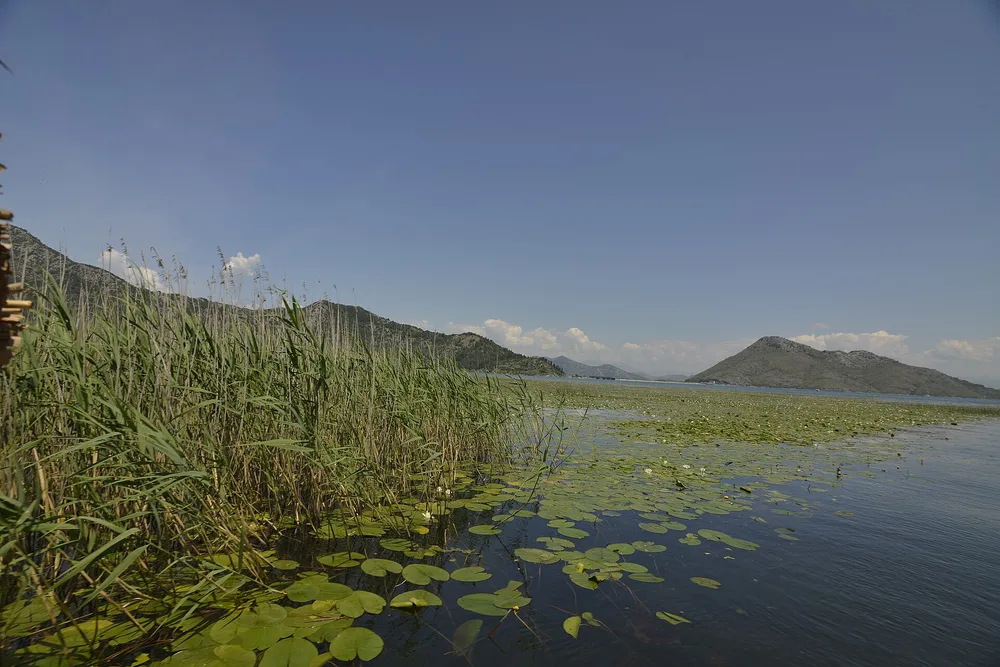
Drive south-east from Cetinje and in twenty minutes the bare karst gives way to something green and wet. The road drops through woods towards a valley floor where a dark, slow river, fed by springs at the foot of the limestone, winds through reeds and water meadows towards Lake Skadar. At the head of the navigable water, where the river is first deep enough for boats, sits the village of Rijeka Crnojevića, ‘the river of the Crnojevići’: a single street of stone houses with balconies leaning over the water, a square, a few fish restaurants and an old arched bridge.
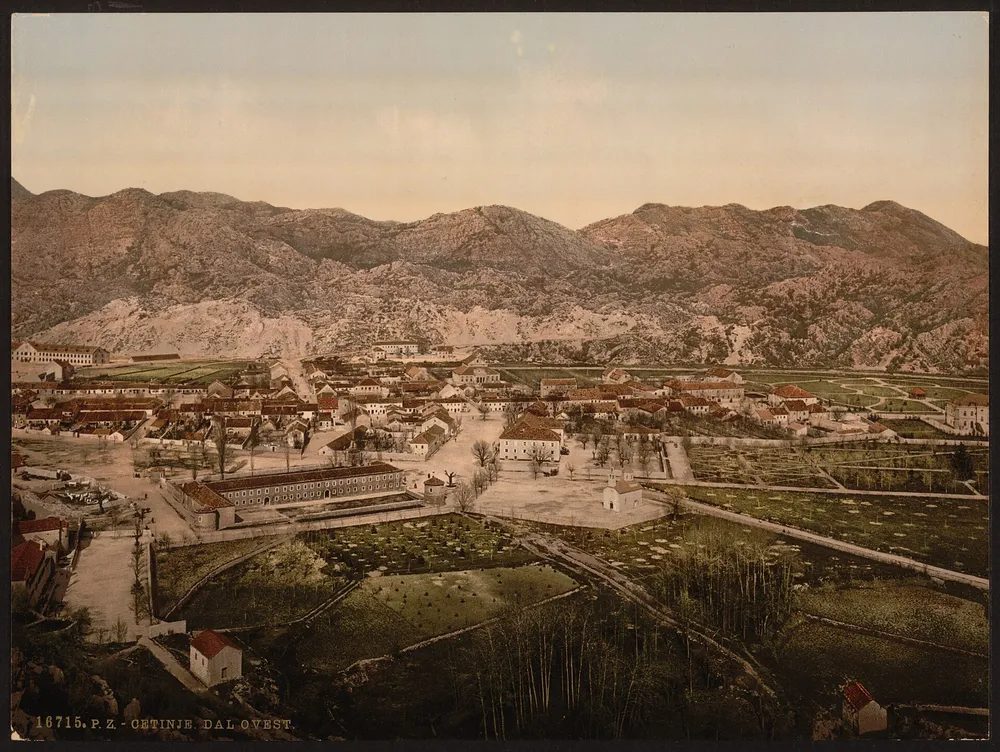
Today it is one of the most photographed places in Montenegro and one of the emptiest. In the nineteenth century it was the second town of the principality, the river port through which Old Montenegro traded with the lake, Shkodër and the Ottoman lowlands, and the place where the Petrović rulers kept a residence. Until 1982 the main road between Cetinje and Podgorica ran through it. The new road now passes higher up the hillside, most people come and go in an hour, and the village has shrunk to a few dozen houses that are lived in and many that are not.
- Municipality
- Old Royal Capital Cetinje
- From Cetinje
- About 15 km, 20–25 minutes by car
- From Podgorica
- About 28 km, about 35 minutes
- Danilo’s bridge
- 1853, stone, about 43 m long
- Viewpoint
- Pavlova Strana, about 16 km from Cetinje by road
- On the water
- Boat trips down the river to Lake Skadar
- National park
- The river and lake lie in or next to Lake Skadar National Park
Obod and the Crnojevići
In the fifteenth century the lords of Zeta, the Crnojević family, ruled from Žabljak, a fortress on the northern edge of Lake Skadar. When the Ottomans captured Žabljak in 1478, Ivan Crnojević retreated up the river to a hill above the present village, which he had fortified in 1475 and which was known as Obod. It was his seat for a few years, before he moved again, higher into the mountains, to the field of Cetinje, where he founded his court in 1482 and the monastery in 1484. The settlement at the foot of the hill took its name from the river, and the river from the family.
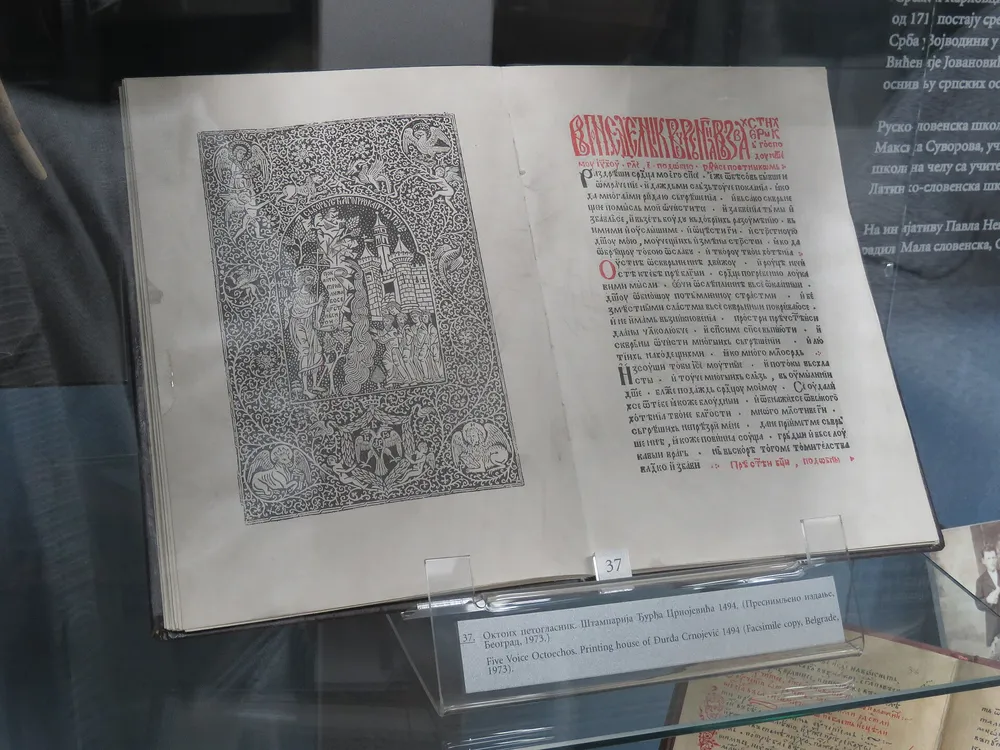
Obod is also the name attached to the first printing press of the Crnojević state. In 1493–94 Ivan’s son Đurađ Crnojević and the hieromonk Makarije printed the Oktoih prvoglasnik, the first book printed in Cyrillic among the South Slavs. Whether the press stood at Obod or in Cetinje is one of the long-running questions of Montenegrin history: the National Library of Montenegro places its founding at Obod, while the colophons of the books themselves and several historians point to Cetinje. Our page on the Crnojević printing house gives both views. The scant remains of the fortress of Obod stand on the hill above the village.
Danilo’s bridge and the riverside
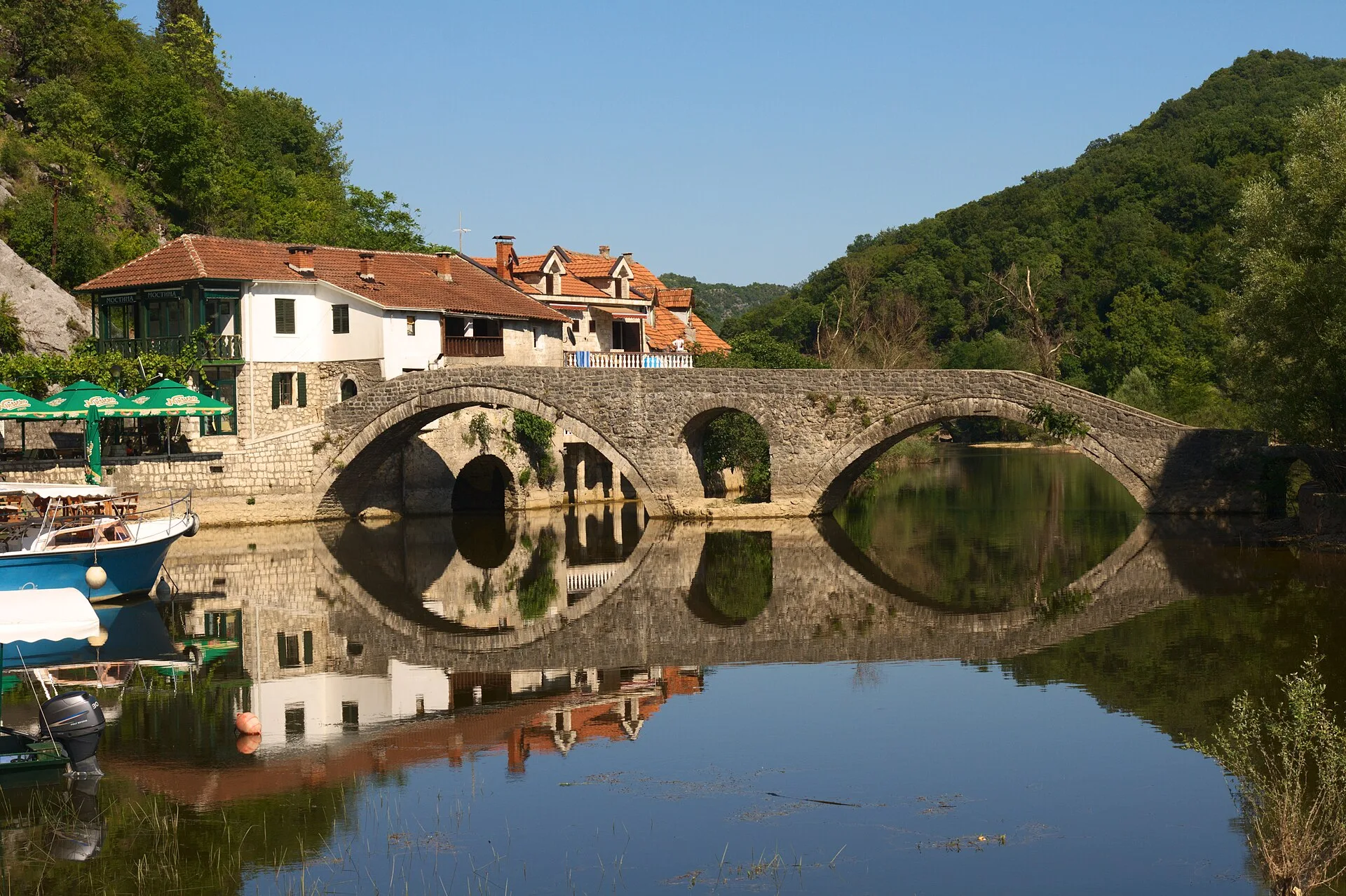
The bridge that makes every photograph is Danilov most, Danilo’s bridge. Prince Danilo, Njegoš’s successor and the first secular ruler of Montenegro, had it built in 1853 in memory of his father, Stanko Petrović, replacing a wooden bridge put up under Njegoš. It is a limestone bridge of unequal arches, about 43 m long, its two main arches making near-perfect circles with their reflections on a still morning. On the left bank beside it Danilo built a single-storey house, known as the Mostina.
Walk the length of the village along the river. The houses, a mixture of the stone vernacular of the Montenegrin highlands and the arched shopfronts of the coast, are the most urban architecture anywhere in the Cetinje countryside, because for a few decades this was a town. Up the hill stand the remains of the Petrović residence, long abandoned and roofless. At the far end, the river opens out towards the reeds and the boats wait on the grassy bank.
The village has suffered from the lake as well as from emigration: when Skadar is high after winter rains, the water can rise into the lower houses. Come in late spring for the green, in early autumn for the light, and early in the day at any season for the reflections and the quiet.
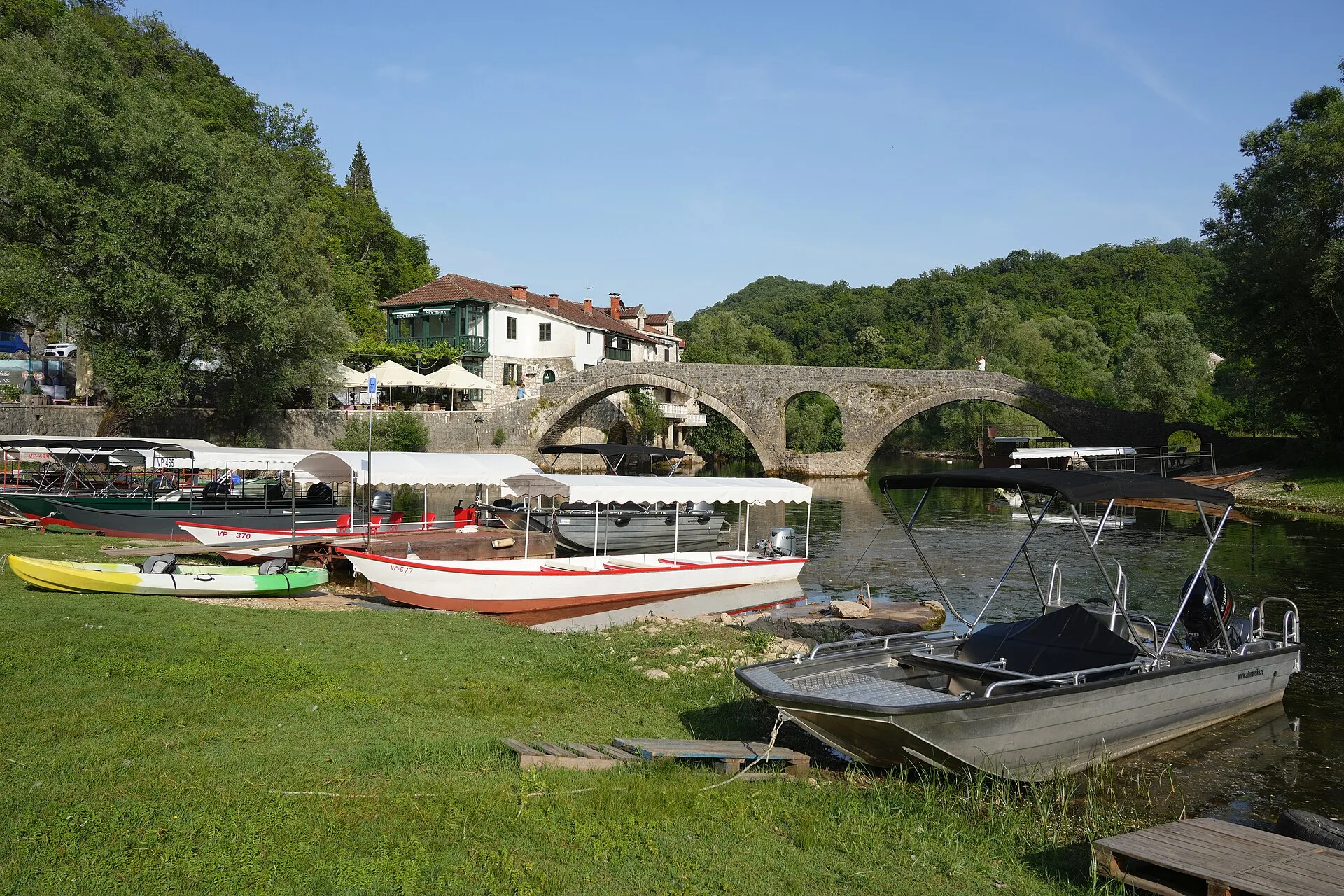
Excursion boats on the bank at Rijeka Crnojevića, below Danilo’s bridge.
Pavlova Strana: the meander
Below the village the river turns back on itself in a great loop around a wooded hill, a horseshoe of dark water in a green valley, with Lake Skadar and the mountains of Albania beyond. The best place to see it is Pavlova Strana, a viewpoint on the hillside road above the river, about 16 km from Cetinje by road. There is a small parking area by the road; take care, as cars stop suddenly and the verge is narrow.
The view is at its best in the morning, with the light behind you, and in spring, when the lake is high and the meadows are flooded. It is one of the defining images of Montenegro, and it repays the short detour on any trip between Cetinje and Podgorica. Wineries along the same road offer tastings; GetYourGuide lists an Old Montenegro winery tour with Pavlova Strana and wine tasting, from Budva.
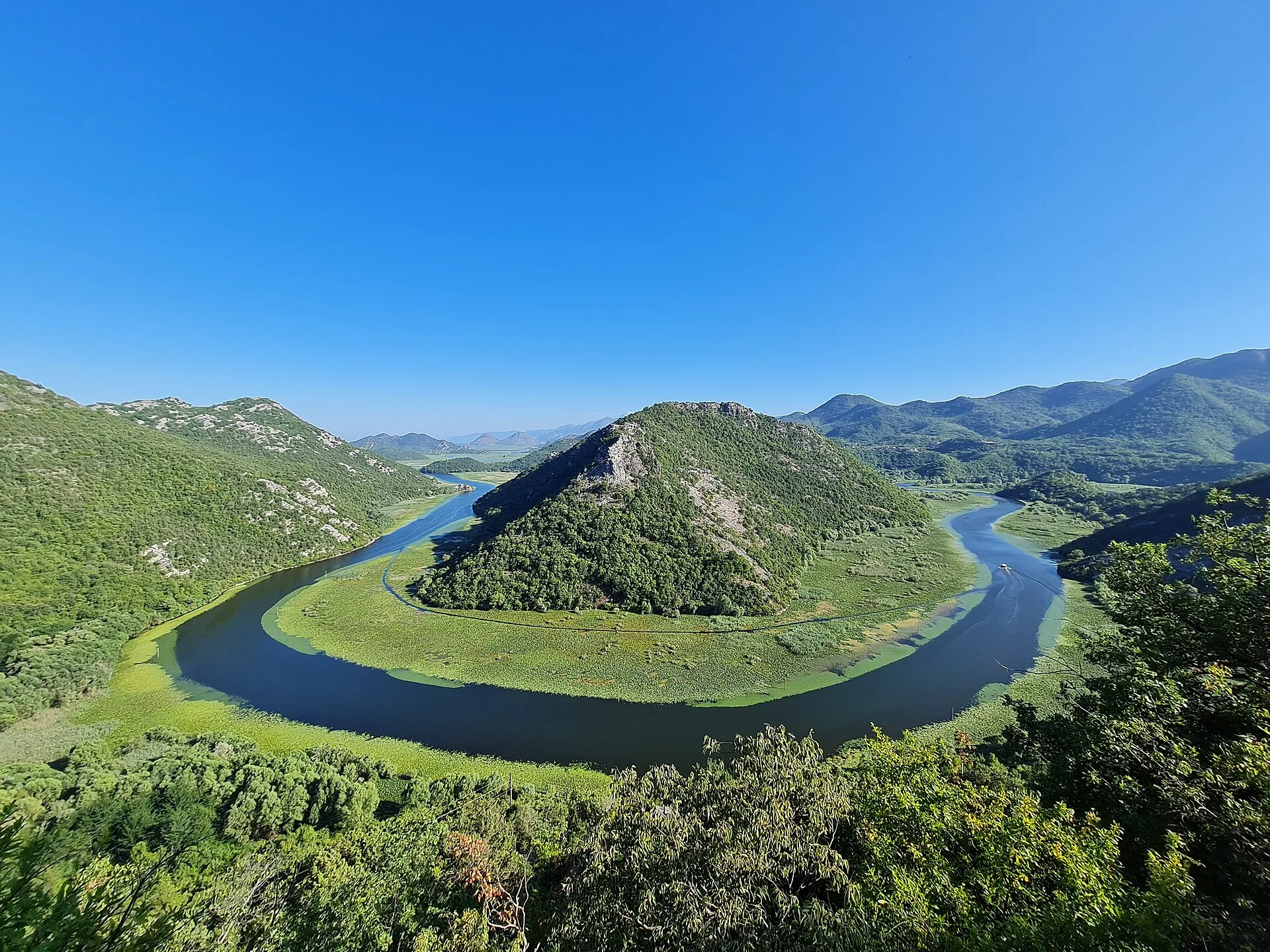
The horseshoe bend of the Rijeka Crnojevića river seen from Pavlova Strana.
Boats to Lake Skadar
From the bank below the bridge, local boatmen and small companies run trips down the river into Lake Skadar: through the water meadows and lily beds, past fishermen and herons, to the open lake, its islands and its monasteries. Boats range from open launches to covered excursion boats. Agree the route, the duration and the price before you board, and ask whether the Lake Skadar National Park fee is included (the park’s price list gives 5 euro per person per day, as checked November 2026).
Boat trips from Rijeka Crnojevića are quieter than those from Virpazar, the lake’s main harbour, though with fewer departures. GetYourGuide lists a private Skadar Lake boat tour from Rijeka Crnojevića and a Crnojević river and Obod cave tour. For the lake as a whole, see our Lake Skadar page, ExploreMontenegro’s Lake Skadar guide and its overview of boat tours in Montenegro.
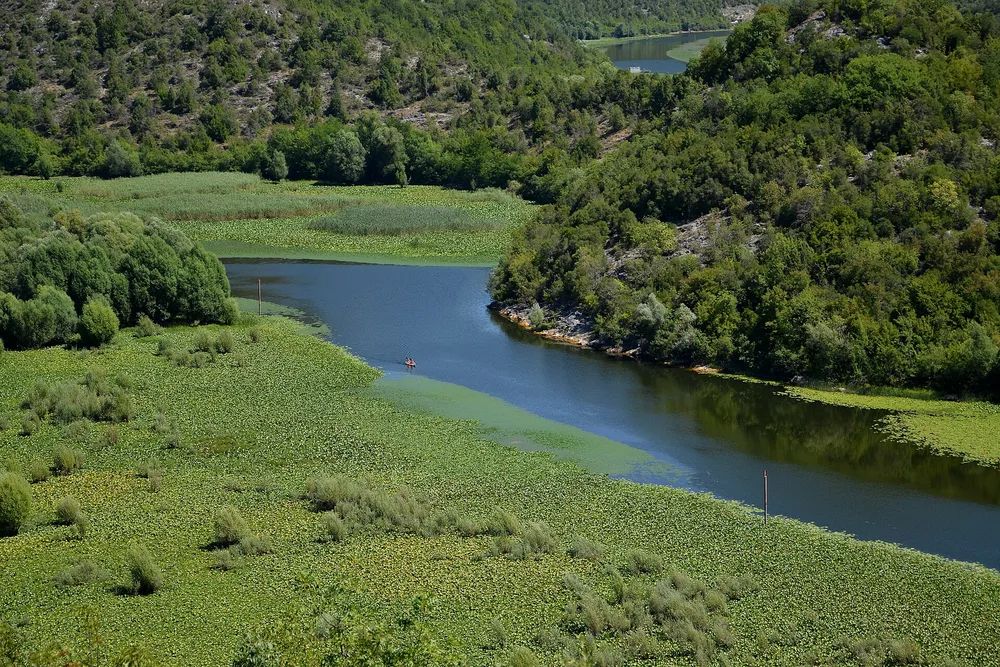
Rijeka Crnojevića: private Skadar Lake boat tour
A private boat trip from the old river port of Rijeka Crnojevića down the river to Lake Skadar.
Check availabilityBook via GetYourGuide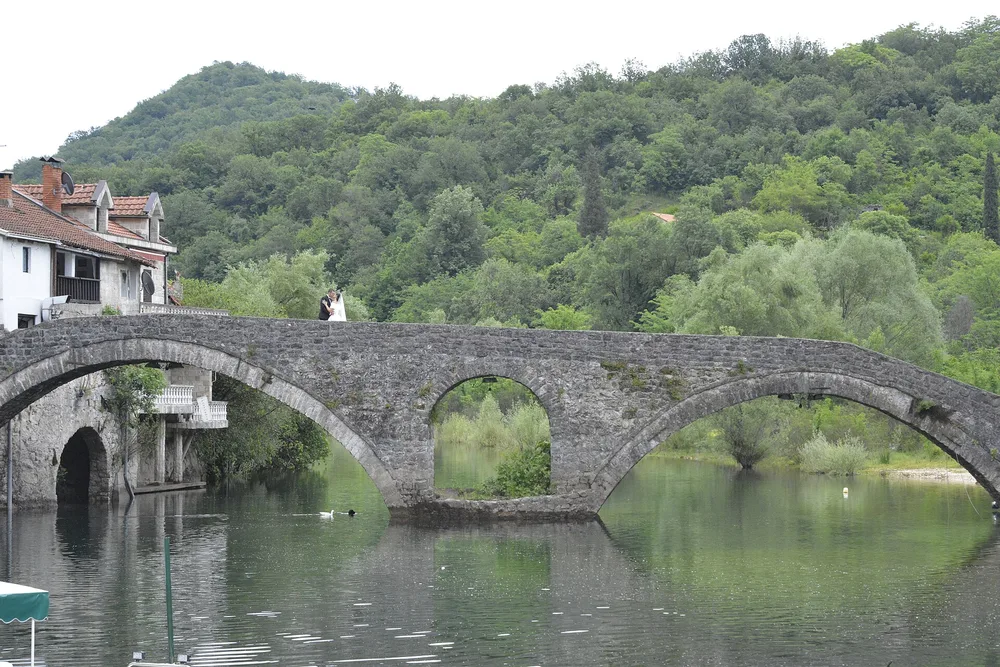
Montenegro: Crnojević river and Obod cave tour
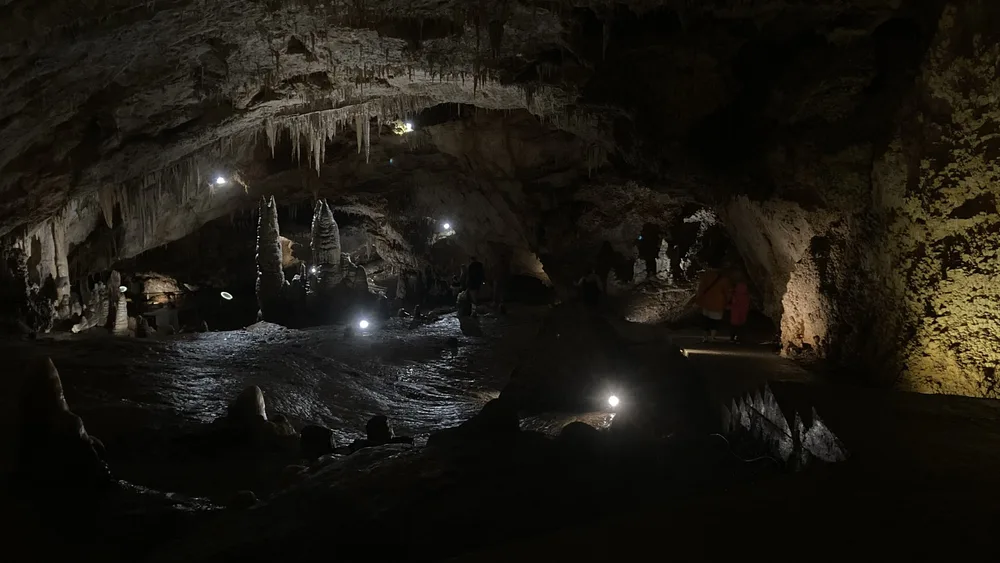
The river below Cetinje and the cave at Obod above Rijeka Crnojevića, according to the listing title. Read the listing for the boat section and the starting point.
Check availabilityBook via GetYourGuide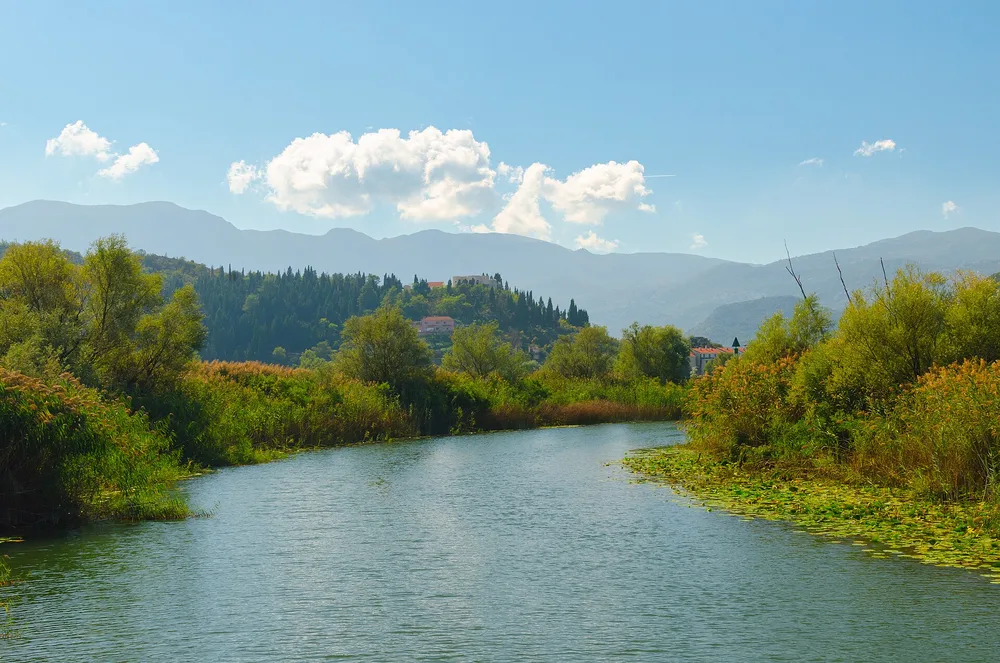
Old Montenegro winery tour with Pavlova Strana and wine tasting
A winery tour in Old Montenegro that includes the Pavlova Strana viewpoint over the Rijeka Crnojevića meanders and a tasting, listed from Budva.
Check availabilityBook via GetYourGuide
From Podgorica: Rijeka Crnojevića and Cetinje, history and nature
A day out from the capital that pairs the two seats of the Crnojević lords: the river port of Rijeka Crnojevića and the Old Royal Capital. The listing title promises history and nature; check it for the stops, the museum entries and the group size.
Check availabilityBook via GetYourGuideTour listings are on GetYourGuide. Prices, dates and cancellation terms are shown live on each listing and can change; Cetinje.com may earn a commission at no extra cost to you.
Eating by the river
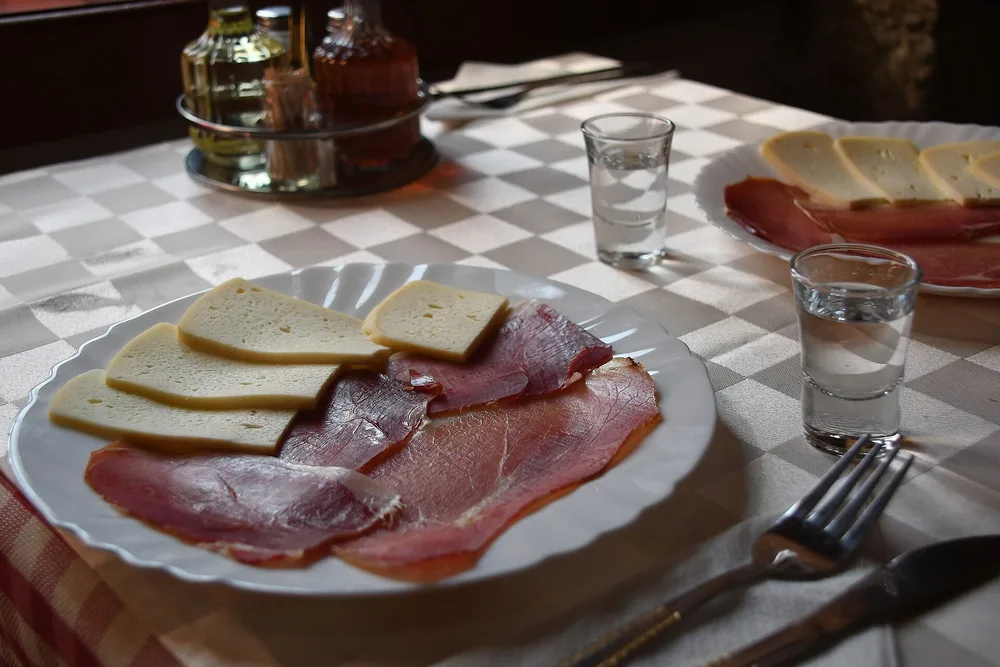
Rijeka Crnojevića has long been a place to eat lake fish. Restaurants by the bridge and on the square serve carp (krap), often baked with prunes, apples or in a tomato sauce, eel, and the lake’s small bleak, ukljeva, fried, smoked or dried. With them come Crmnica wine from the far shore of the lake and Njeguši ham and cheese from the other side of Cetinje. Opening times are seasonal: in winter some places close and others open only at weekends. More in food and drink.
How to get there and how long to stay
By car from Cetinje, take the road towards Podgorica and turn off for Rijeka Crnojevića: about 15 km. From Podgorica it is about 28 km. The road down to the village is narrow; park on the edge of the village and walk in. Pavlova Strana is on the road above.
By bus, Cetinje–Podgorica buses use the main road above the village; ask the driver whether they stop at the Rijeka Crnojevića turn, from which it is a long walk down. In practice a car, a taxi from Cetinje or a tour is the realistic option. The tour from Podgorica to Rijeka Crnojevića and Cetinje combines the two seats of the Crnojevići in a day.
How long: an hour for the bridge, the village and a coffee; two to three hours with a boat trip; a full half day with Pavlova Strana and lunch. Combine it with Lipa Cave on the same side of Cetinje.
Staying the night
A handful of family-run hotels, guest houses and apartments in and around the village, including a lakeside country house at Dujeva, make Rijeka Crnojevića a peaceful alternative base: Cetinje is twenty minutes away, Podgorica about half an hour. All options are compared in where to stay.
Rooms Dujeva Drago-Resort
Rijeka CrnojevićaCountry house on the shore of Lake Skadar at Dujeva near Rijeka Crnojevića, with a restaurant and lake-view rooms.
9.1Booking.com guest score · as checked in November 2026
See on Booking.comHotel S Family Jovićević
Rijeka CrnojevićaFamily-run hotel on the square at Rijeka Crnojevića, with restaurants and lake-view rooms.
8.7Booking.com guest score · as checked in November 2026
See on Booking.comCasarogna Luxury Rooms
Rijeka CrnojevićaGuest rooms in Rijeka Crnojevića, a short walk from the river, with a restaurant.
9.7Booking.com guest score · as checked in November 2026
See on Booking.comEtno Selo Grabovička Jutra
Rijeka CrnojevićaEthno-village apartments and houses near Rijeka Crnojevića with a seasonal pool and restaurant.
9.9Booking.com guest score · as checked in November 2026
See on Booking.comSee all stays in Rijeka Crnojevića on Booking.com
Accommodation links go to Booking.com, where you see live prices and availability. We do not list prices because they change daily; Cetinje.com may earn a commission.
Frequently asked questions
How far is Rijeka Crnojevića from Cetinje?
About 15 km by road, 20 to 25 minutes by car.
Where is the best viewpoint over the river bend?
Pavlova Strana, on the road above the river, about 16 km from Cetinje. Morning light is best.
Can I take a boat from Rijeka Crnojevića to Lake Skadar?
Yes. Boats leave from the bank below the bridge and go down the river to the lake. Agree the route, duration and price first, and ask whether the national park fee is included.
Who built the bridge at Rijeka Crnojevića?
Prince Danilo, in 1853, in memory of his father Stanko Petrović. It replaced a wooden bridge built under Njegoš.
What is the connection with the first printing press?
Ivan Crnojević had his seat at Obod, above the village, before moving to Cetinje in 1482, and the press of 1493–94 is associated with Obod in some accounts and with Cetinje in others.
Sources and official information
Facts were checked against these official and scholarly sources in November 2026. Opening hours, ticket prices, park fees and timetables change, so confirm before you go.
Cetinje.com is an independent guide, not the official site of the Old Royal Capital Cetinje, the National Museum of Montenegro, any tour operator, hotel or the government of Montenegro. Some links are affiliate links: tours go to GetYourGuide and accommodation goes to Booking.com, and we may earn a commission at no extra cost to you.