In short
- Where: on a karst plateau in south-western Montenegro, behind Mount Lovćen, about 12 km from the Adriatic as the crow flies and about 31 km by road from Budva and 35 km from Podgorica.
- Height and size: the town lies at about 670 m on a small enclosed field; the municipality of the Old Royal Capital covers about 910 km², from Lovćen to Lake Skadar.
- Population (2023 census, MONSTAT): 14,494 in the municipality, of whom about 12,500 live in the town itself.
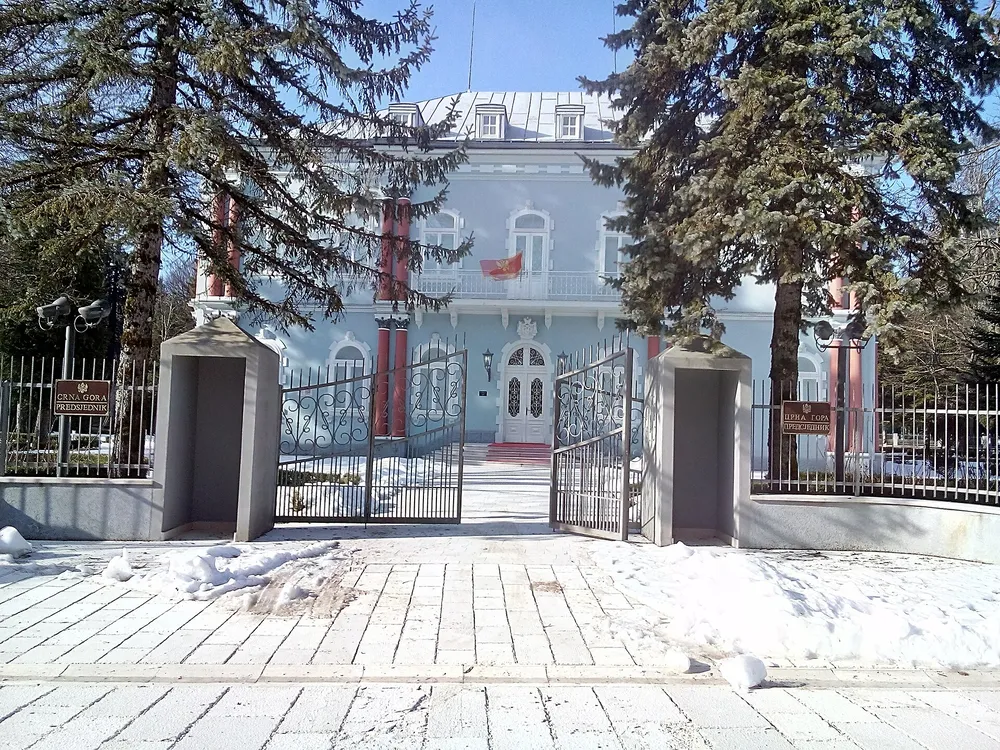
- Status: under the constitution, Podgorica is the capital and Cetinje the Old Royal Capital (Prijestonica), seat of the President’s official residence and of national cultural institutions.
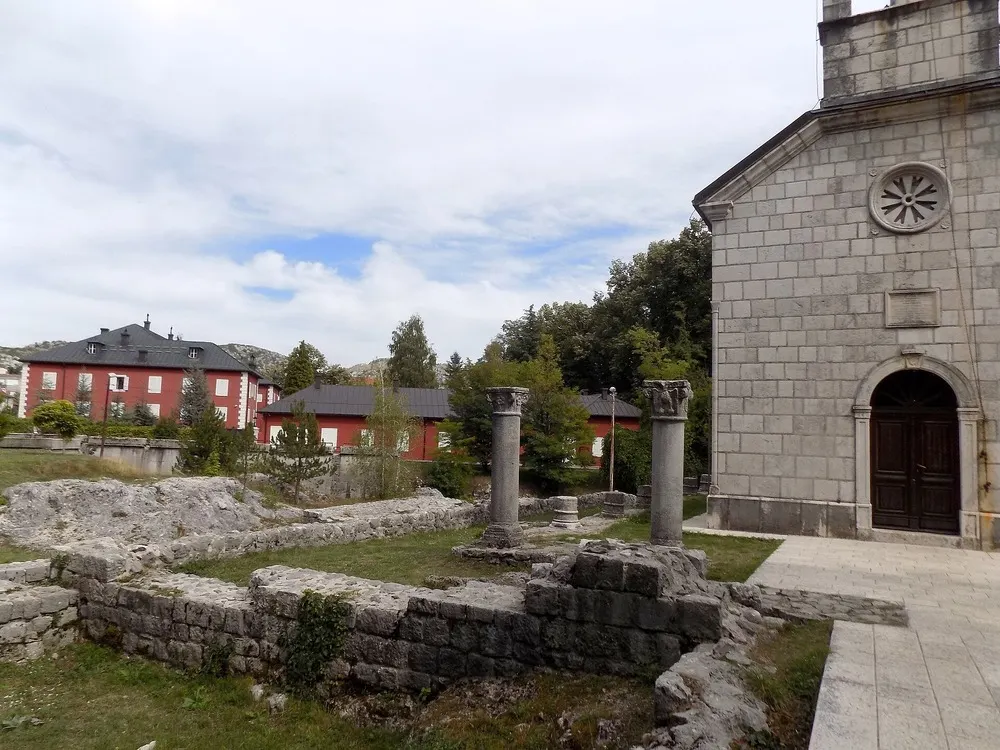
- Why visit: the court of the Crnojevići (1482), the monastery of the prince-bishops, the palaces of the Petrović-Njegoš dynasty and the legations of the great powers, all in a walkable town under Lovćen.
Where Cetinje is
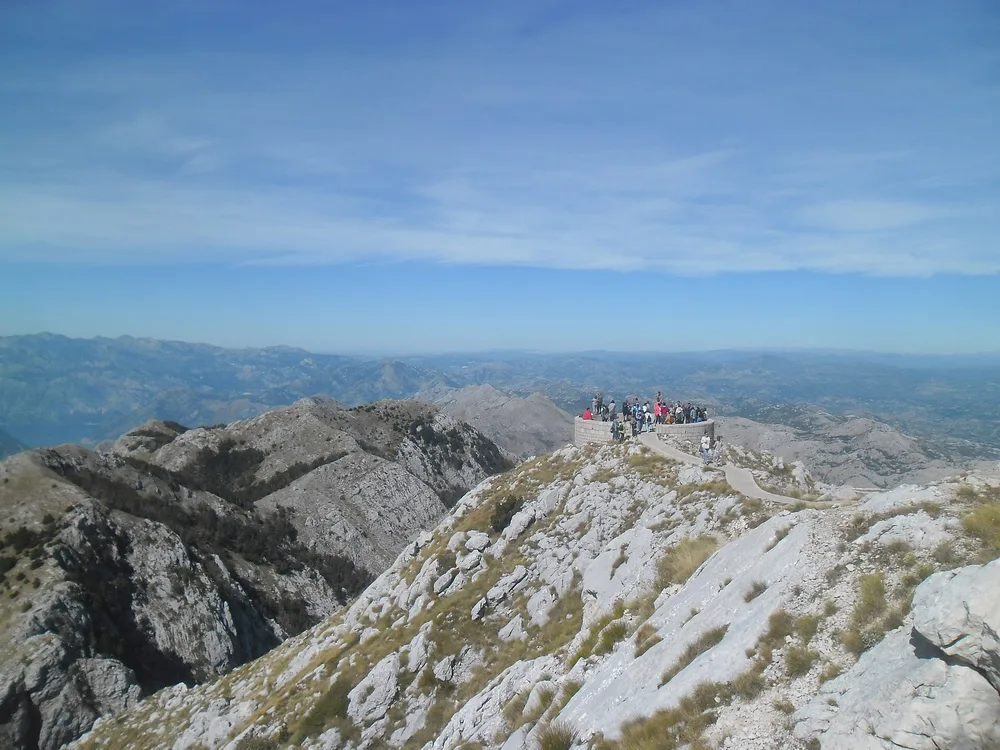
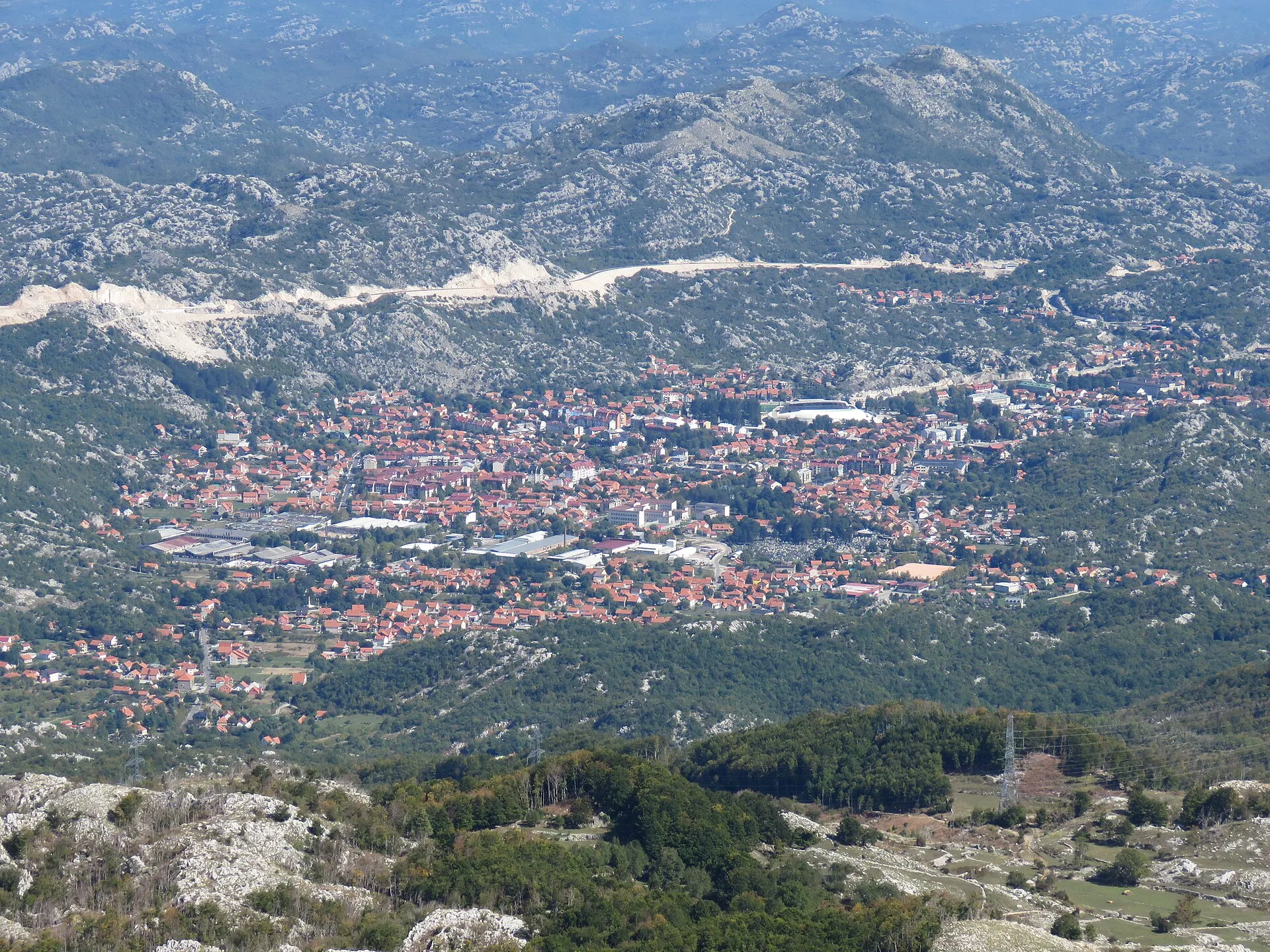
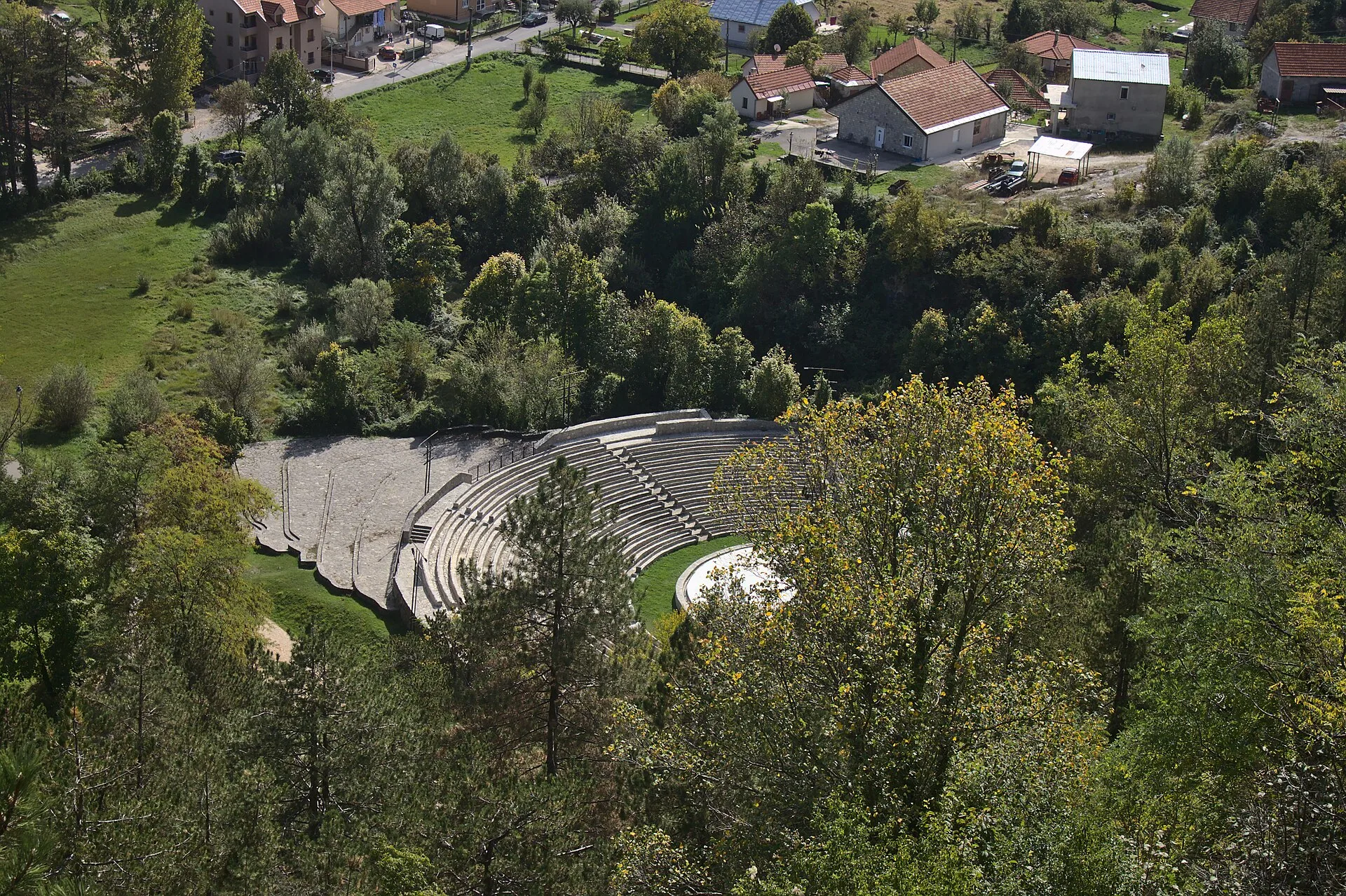
Cetinje lies in the south-west of Montenegro, in the old heartland of the country known as Old Montenegro (Stara Crna Gora). It sits on the floor of a small, closed karst field, the Cetinjsko polje, roughly 6–7 km² in area, ringed by bare limestone hills, with the massif of Lovćen rising to the west. The sea is only about 12 km away as the crow flies, beyond the mountain; Lake Skadar is about 15 km to the south-east.
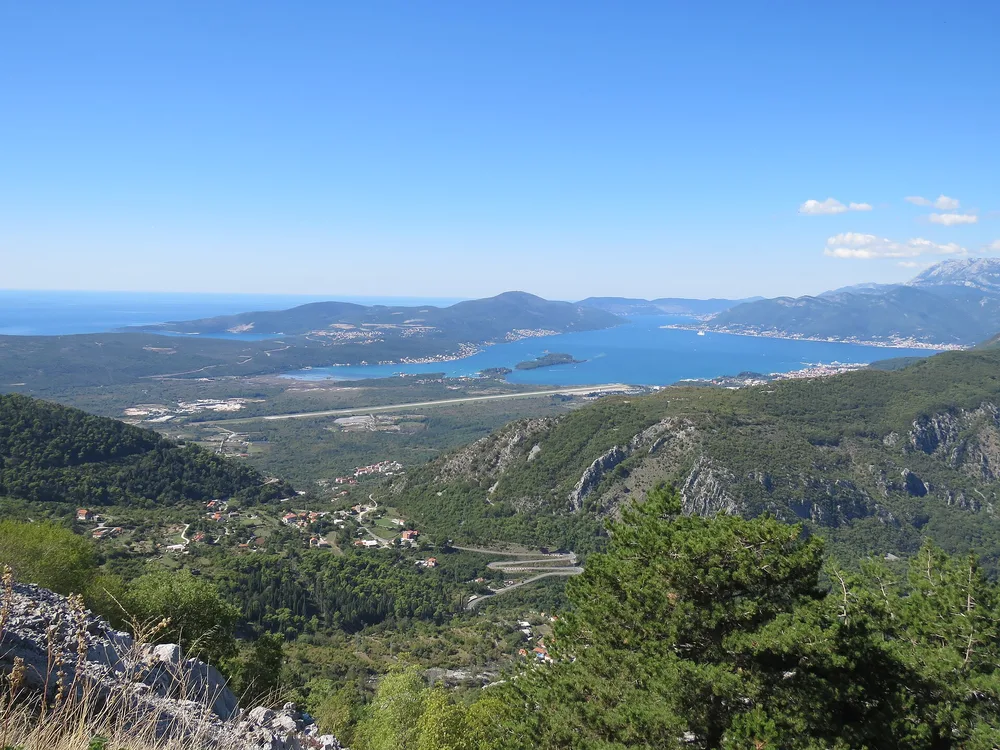
Today the town stands on the main road between Budva on the coast and Podgorica, the capital, about half an hour to 45 minutes from each. Its two nearest airports are Podgorica (about 38 km) and Tivat (about 47 km). The old road over Lovćen links it to Kotor by way of the dynasty’s home village of Njeguši and the famous serpentine. All the routes are on getting there.
- Country
- Montenegro
- Status
- Old Royal Capital (Prijestonica)
- Altitude
- About 670 m (671 m is often given)
- Coordinates
- 42.39° N, 18.92° E
- Population, municipality
- 14,494 (2023 census, MONSTAT)
- Population, town
- About 12,500 (2023 census)
- Municipal area
- About 910 km²
- Founded
- 1482, court of Ivan Crnojević; monastery 1484
- Time zone
- Central European Time (UTC+1, UTC+2 in summer)
The municipality: from Lovćen to Lake Skadar
The Old Royal Capital Cetinje (Prijestonica Cetinje) is also one of Montenegro’s larger municipalities, covering about 910 km², some 6–7 per cent of the country. It falls into two very different halves that correspond to two of the historic districts (nahije) of Old Montenegro: the high, stony Katunska nahija around the town and Lovćen, and the lower, greener Riječka nahija around Rijeka Crnojevića and the north-western shore of Lake Skadar. Two national parks lie within or along its borders, Lovćen and Lake Skadar.
Besides the town, the municipality includes the village of Njeguši, the river port of Rijeka Crnojevića, the show cave at Lipa, the upper station of the Kotor cable car at Kuk, and many small villages, a large number of them now home to only a few elderly residents for most of the year.
Population
According to the 2023 census of the Statistical Office of Montenegro (MONSTAT), the municipality of Cetinje had 14,494 inhabitants out of a national total of 623,633. Commonly cited settlement-level results give the town itself about 12,500 (12,460); some summaries give a municipal total of 14,465, but MONSTAT’s published municipal table gives 14,494, the figure we use. Like most of Old Montenegro, the municipality has lost population for decades, as people moved to Podgorica and the coast.
Cetinje was never large. On the eve of the First World War, when it was the capital of a European kingdom with a dozen foreign legations, it had well under ten thousand inhabitants; the census of 1910 is usually cited as recording just under 6,000, which made it one of the smallest capitals in Europe. Most people here identify as Montenegrin, and Cetinje has long been the centre of a distinctly Montenegrin national and cultural identity, a subject explained on Montenegrin language and identity.
Climate
Cetinje has a mountain-influenced climate: warm, fairly dry summers, with average July and August highs in the mid-20s °C, and cool to cold, very wet winters with regular snow. It is several degrees cooler than the coast all year. Its rainfall is famous: figures of 3,000 mm or more a year are widely quoted, among the highest of any town in Europe, though a modelled 1991–2020 average for the town’s grid point gives about 2,400 mm. Most of it falls between October and February, and it drains straight into the limestone, which is why the town has no river. Month-by-month figures are on the best time to visit.
The town today
Modern Cetinje is a small, low town of two- and three-storey houses laid out on a loose grid across the field, with the historic core at its north-western end under Orlov krš. The main street, Njegoševa, runs through it, pedestrianised in the centre and lined with cafés, nineteenth-century houses and former legations. At one end are the court quarter, with Dvorski trg, King Nikola’s Palace, the monastery and Biljarda, and the large parks; in the middle the square of Balšića pazar, the old market, and the Government House; around them the newer neighbourhoods. The urban area is divided into three local communities, Stari Grad (the old town), Nova Varoš and Gruda–Donje polje.
After the government left in 1946 Cetinje had to find a new role; today it lives largely from public and cultural institutions, education and, increasingly, tourism. Three faculties of the University of Montenegro, Fine Arts, Drama and the Music Academy, are based here, several of them in former legations, and their students give the town much of its life in term time. The National Museum, the National Library, the Zetski dom theatre and a lively café life complete the picture of a former capital that has become a town of museums. Our pages on culture and traditions and famous people of Cetinje fill in the detail.
Cetinje in brief: five centuries in five paragraphs
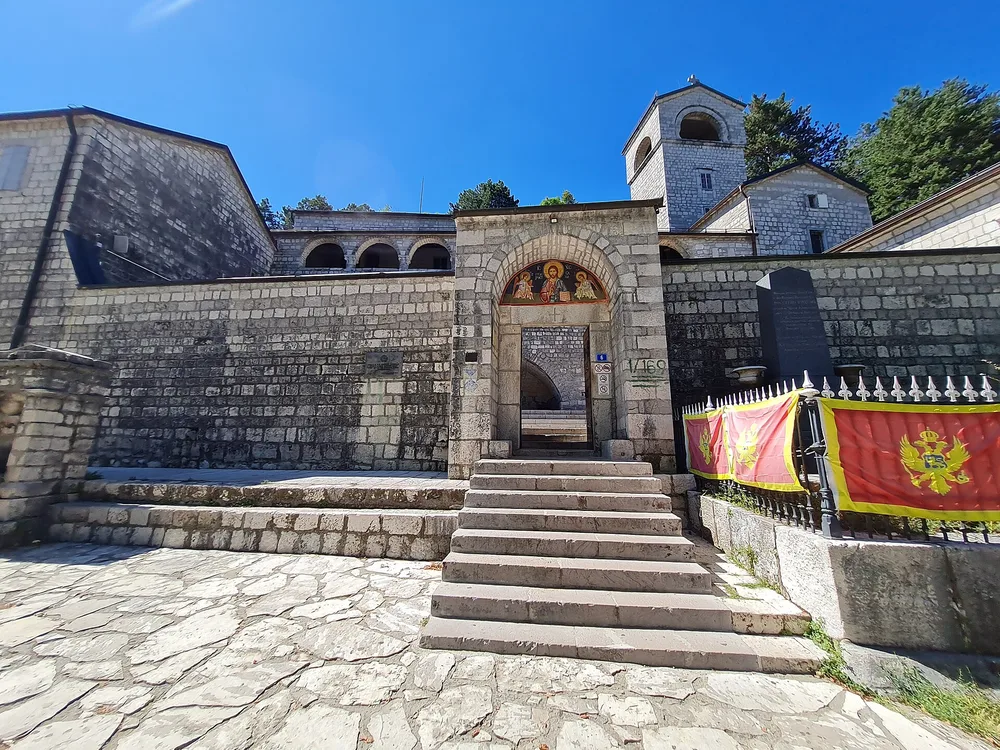
Founding. In 1482 Ivan Crnojević, lord of Zeta, retreating before the Ottomans from Lake Skadar, moved his court to the remote field of Cetinje under Lovćen, and in 1484 founded a monastery there. In 1493–94 his son Đurađ’s press printed the first book among the South Slavs in Cyrillic. See the history of Cetinje and the Crnojević printing house.
The prince-bishops. From 1697 Montenegro was ruled from Cetinje Monastery by prince-bishops (vladike) of the Petrović-Njegoš family of Njeguši, passing from uncle to nephew. The monastery was destroyed by Ottoman armies more than once and rebuilt each time. The greatest of the line, Petar II Petrović-Njegoš (ruled 1830–1851), poet of The Mountain Wreath, built the first secular residence, the Biljarda, in 1838. See the dynasty and Njegoš.
A European capital. Under Prince, later King, Nikola I, Montenegro’s independence was recognised at the Congress of Berlin in 1878. Foreign powers opened legations in Cetinje, and the village grew into a small capital with a palace, a theatre, a hospital, a girls’ institute and grand government buildings. Nikola was proclaimed king in 1910. See King Nikola, the architecture and the embassies.
Loss of status. Occupied by Austria-Hungary in 1916, Montenegro was united with Serbia by the Podgorica Assembly of November 1918, a decision that remains contested, and Cetinje ceased to be a capital. After the Second World War the capital of the Montenegrin republic was moved to Podgorica (renamed Titograd) in 1946. The 1979 earthquake damaged many historic buildings.
Old Royal Capital. With independence in 2006 and the constitution of 2007, Cetinje became the Old Royal Capital, the seat of the President’s official residence and of national cultural institutions, and a town of museums, arts faculties and memory. Its historic core has been on UNESCO’s Tentative List since 2010. See the Old Royal Capital.
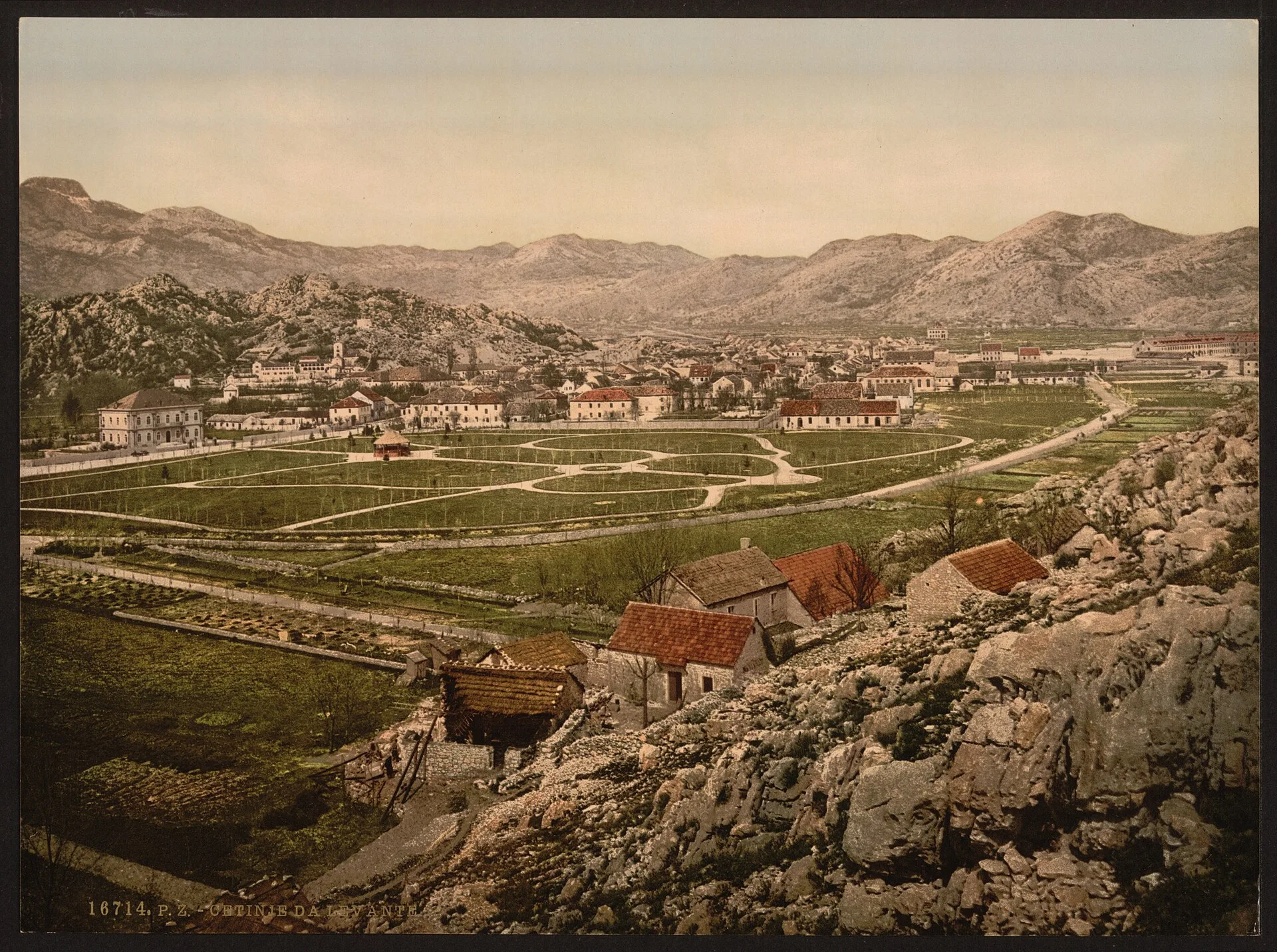
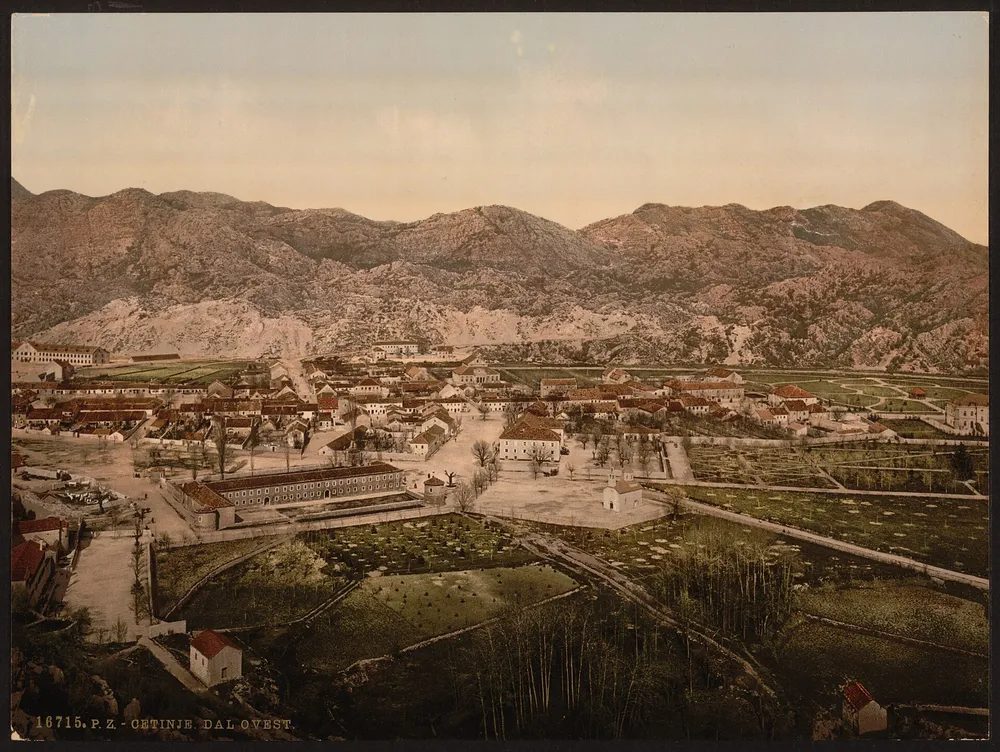
Cetinje from the east in a photochrom of the 1890s, when it was the capital of the Principality of Montenegro (Library of Congress, public domain).
Why Cetinje matters
Cetinje is where the Montenegrin state was born, governed, besieged and remembered. Few towns of its size hold so much: the foundations of a fifteenth-century court and monastery, the residence of a poet-prince, a royal palace, a parliament-turned-theatre, a national museum spread across the buildings of a vanished state, and a row of legations built by Russia, France, Britain, Italy, Austria-Hungary, the Ottoman Empire and others for a capital of a few thousand people. The town’s historic core is on UNESCO’s Tentative List for World Heritage, and its arts faculties keep it young.
For a visitor it is also simply a pleasant place: flat, green, walkable, cool in summer, with the mountain on one side and the lake an easy drive on the other. Begin with things to do and the self-guided walking tour; for how Cetinje fits into a trip around the country, our sister site has an overview of Cetinje for Montenegro travellers.
Frequently asked questions
Where is Cetinje?
In south-western Montenegro, on a karst plateau behind Mount Lovćen, about 31 km by road from Budva and 35 km from Podgorica.
What is the population of Cetinje?
14,494 in the municipality according to the 2023 census (MONSTAT), about 12,500 of them in the town.
How high is Cetinje?
About 670 m above sea level.
Is Cetinje the capital of Montenegro?
Podgorica is the capital; the constitution names Cetinje the Old Royal Capital (Prijestonica). It was the capital until 1918 and the republic’s capital until 1946.
Why is Cetinje called the Old Royal Capital?
Because it was the seat of Montenegro’s rulers from 1482 and the capital of the Kingdom of Montenegro (1910–1918); its status is recognised in the constitution.
Sources and official information
Facts were checked against these official and scholarly sources in November 2026. Opening hours, ticket prices, park fees and timetables change, so confirm before you go.
- monstat.org
- constituteproject.org
- whc.unesco.org
- en.wikipedia.org
- en.wikipedia.org
- open-meteo.com
- openstreetmap.org
Cetinje.com is an independent guide, not the official site of the Old Royal Capital Cetinje, the National Museum of Montenegro, any tour operator, hotel or the government of Montenegro. Some links are affiliate links: tours go to GetYourGuide and accommodation goes to Booking.com, and we may earn a commission at no extra cost to you.