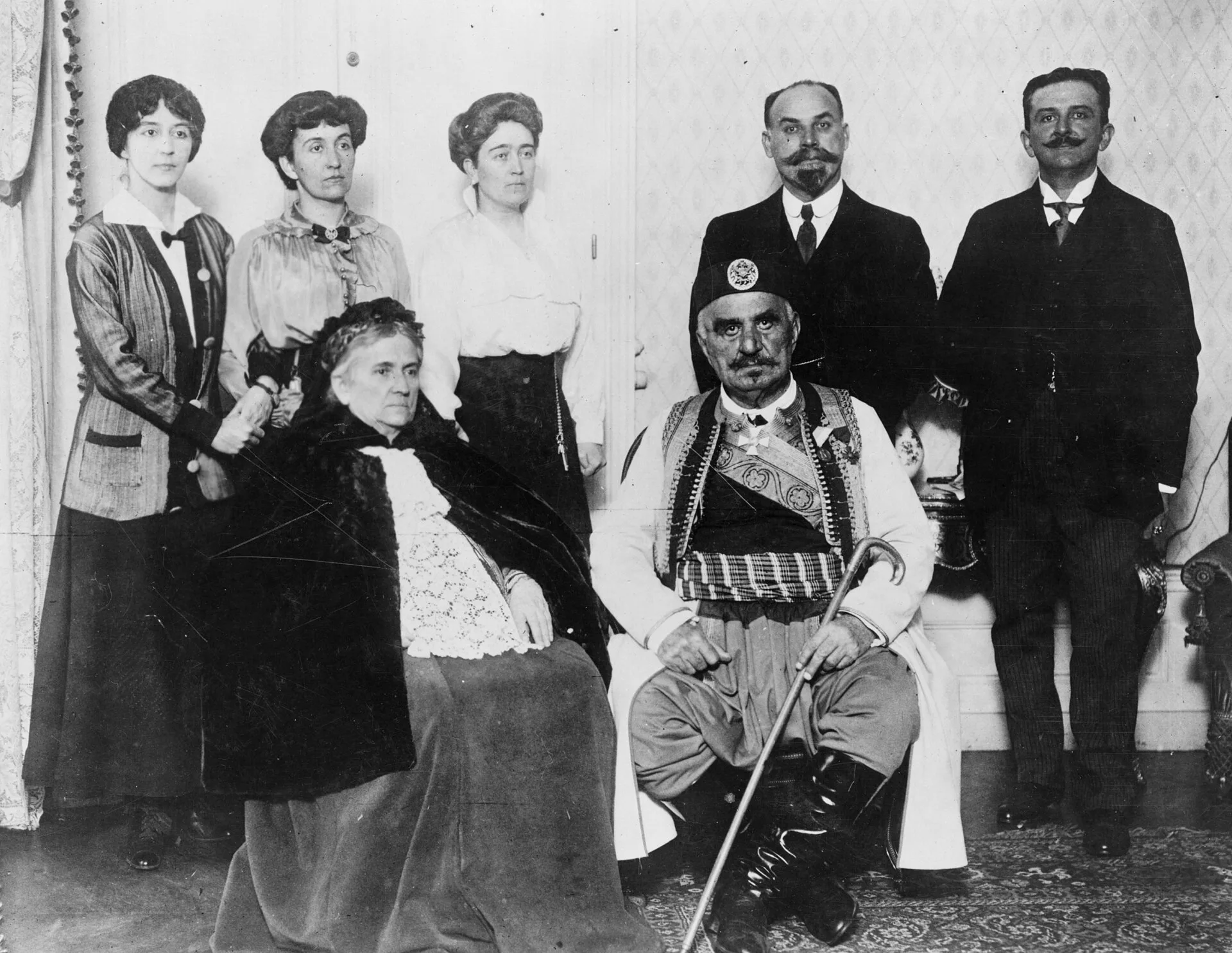
In short
- The Petrović-Njegoš family, from the village of Njeguši above Kotor, ruled Montenegro from Cetinje from 1697 to 1918.
- The first five rulers were Orthodox bishops (vladikas) who could not marry, so the office passed from uncle to nephew; Danilo I made it a secular, hereditary principality in 1852.
- The line runs Danilo I, Sava, Vasilije, Petar I, Petar II Njegoš, Prince Danilo and Nikola I, who took the title of king in 1910.
- Nikola and Queen Milena had twelve children; five daughters married into the Serbian, Russian, Italian and Battenberg houses, which earned him the nickname ‘father-in-law of Europe’.
- The family left Montenegro in January 1916 and was deposed in 1918; King Nikola was reburied in Cetinje in 1989, and a 2011 law gives his descendants a ceremonial, non-political role.
A family from Njeguši
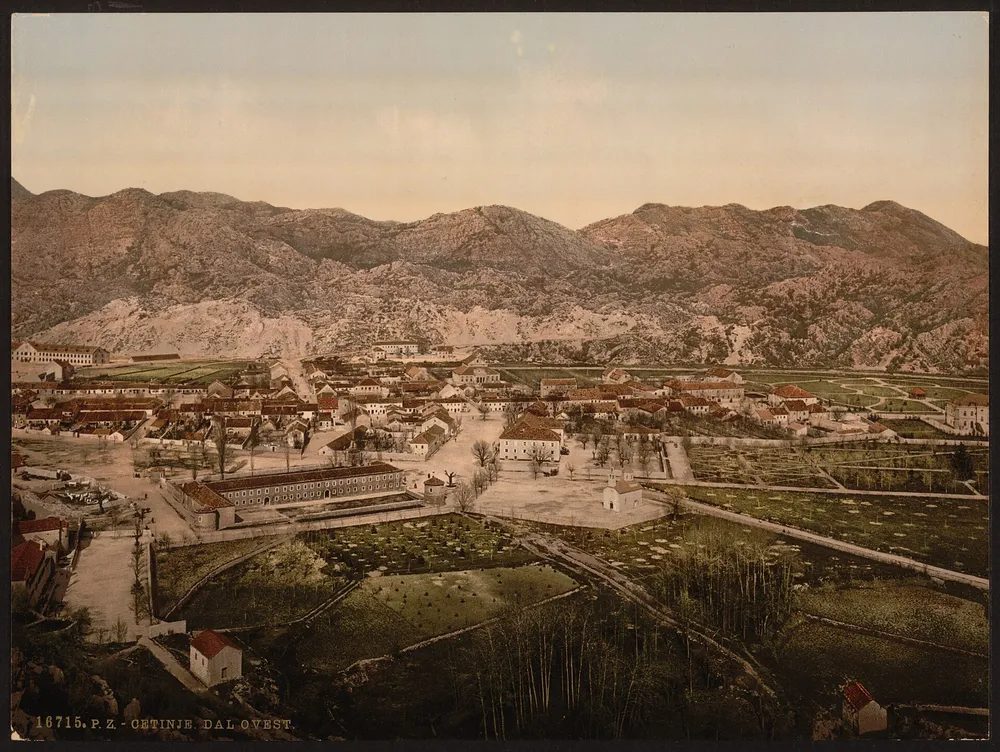
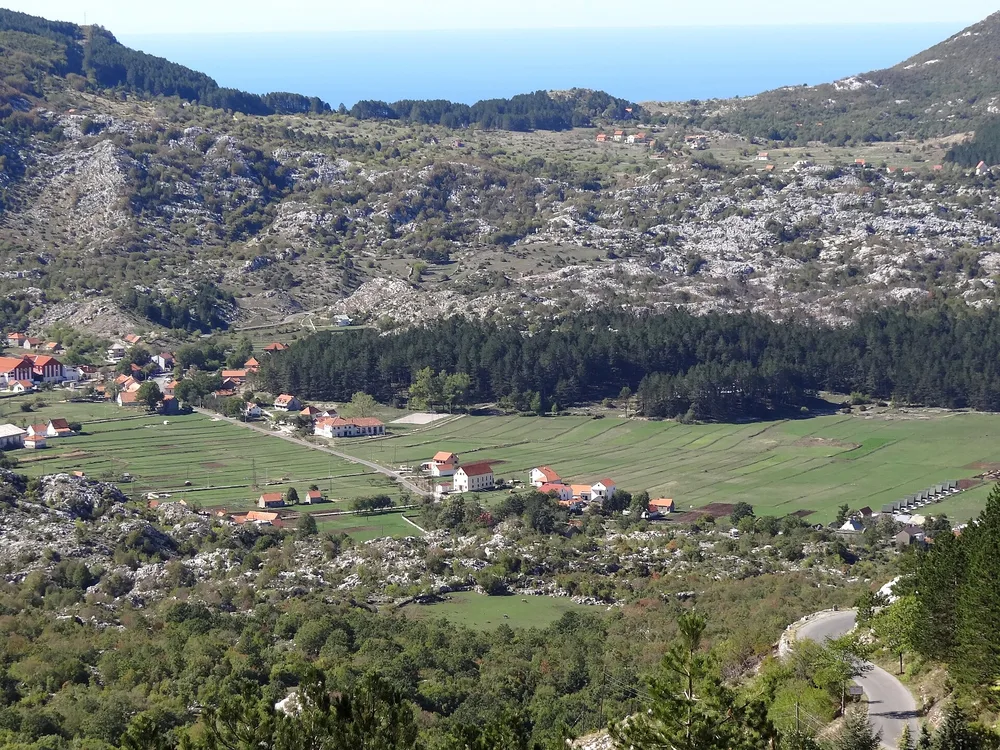
Every ruler of Montenegro between 1697 and 1918 came from the same handful of stone houses. Njeguši is a high karst basin on the old road between Kotor and Cetinje, an hour's walk below the summit of Lovćen, and the Petrovići belonged to the Heraković brotherhood settled in its hamlet of Erakovići. Family tradition traced them to Herzegovina, from the country under a mountain also called Njegoš, which is the usual explanation for the name of the village. They were clan notables, not lords: they owned sheep, a little arable land and a share in the caravan trade down to the Bay of Kotor.
The double surname came late. The early rulers signed themselves by their Christian or monastic names, and their kinsmen were simply Petrovići. Njegoš, the name of the tribe and the village, was added as a mark of origin, and Petar II made it famous by using it as his pen name. Today the whole line is called Petrović-Njegoš.
Their home ground is easy to visit from Cetinje, and it explains a good deal: the birth house of Njegoš is a museum, King Nikola's family house stands nearby, and the village still lives from the smoked ham and cheese the Petrovići traded. See the guide to Njeguši, and for the mountain above it, where two of the dynasty are buried, the Lovćen guide on our sister site ExploreMontenegro.
How a bishop's throne became hereditary
When the last Crnojević left in 1496 no secular authority replaced him. The clans of Old Montenegro recognised one common figure, the Orthodox bishop who sat in Cetinje Monastery, and over two centuries he became their arbiter and spokesman. He was elected by an assembly of chiefs and for a long time came from a different clan each time.
That changed in 1697 with the election of Danilo, a monk of the Petrović family. An Orthodox bishop is drawn from the monastic clergy and cannot marry, so there could be no son to inherit. Danilo's answer was to choose a successor from among his nephews and cousins, have him ordained in his own lifetime and present him to the assembly, which confirmed him. His successors did the same. The throne therefore moved sideways and downwards through the family: from uncle to nephew, sometimes to a cousin's son.
It was an improvised arrangement, never a law. The designated heir could die young or refuse, as two of Petar I's candidates did before he settled on the boy who became Njegoš; relatives disputed the choice in 1830 and again in 1851; and for most of the eighteenth century the vladika shared power with a civil governor, the guvernadur, an office held by the rival Radonjić family of Njeguši until Njegoš abolished it in 1832. But it worked well enough to give Montenegro what its neighbours under Ottoman rule lacked: a recognised ruling house.
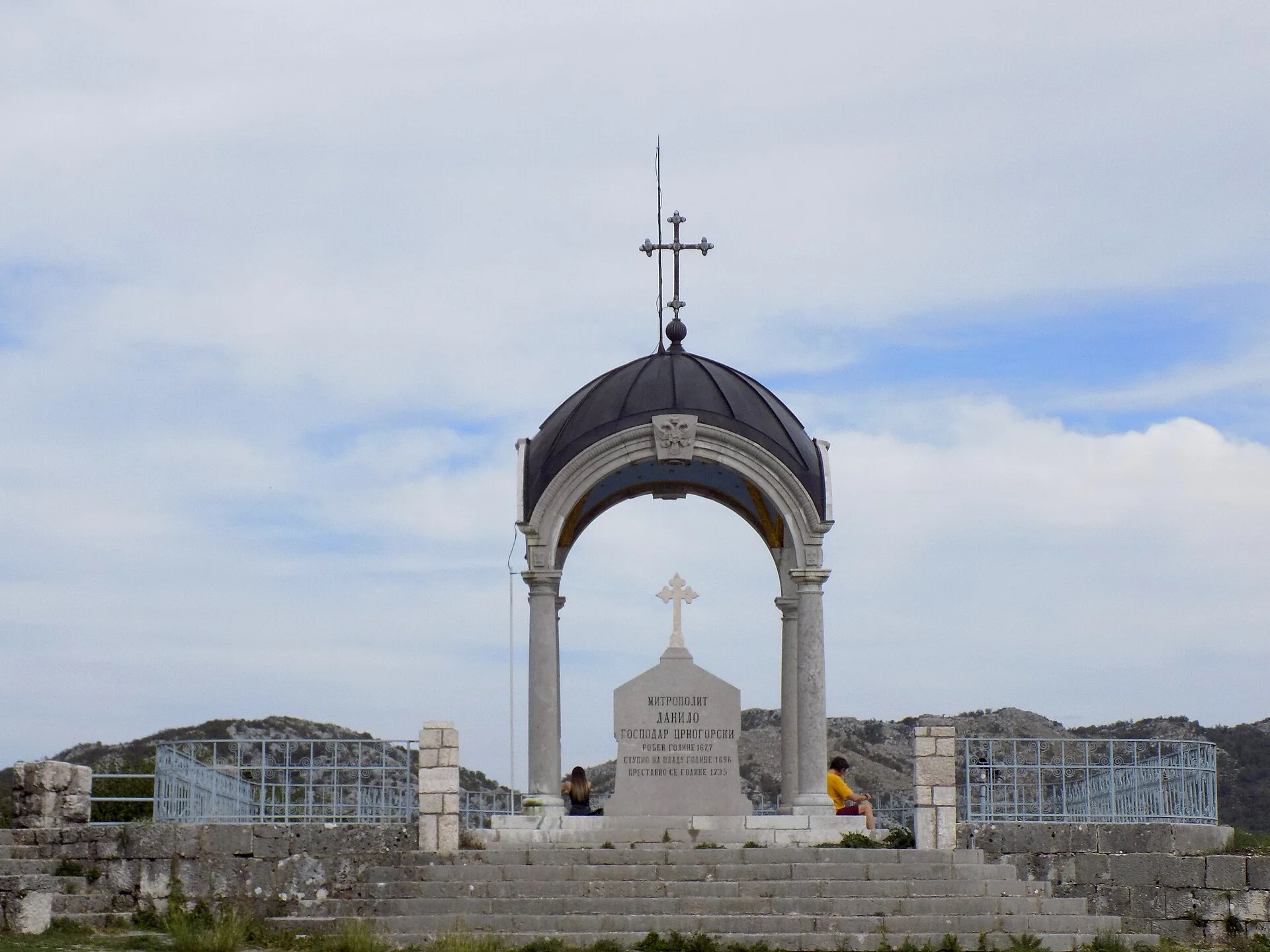
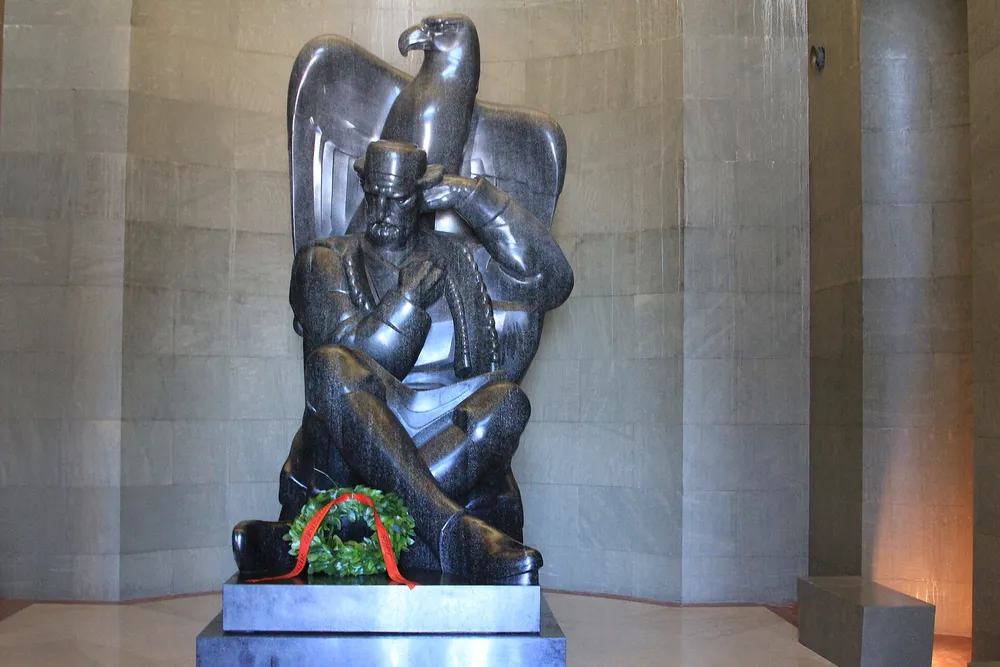
The mausoleum of Vladika Danilo, founder of the dynasty, on Orlov krš above Cetinje Monastery. Prince Nikola had it built in 1896 for the dynasty's bicentenary; the path up takes ten minutes.
The rulers, one by one
Danilo I (ruled 1697–1735). Born in Njeguši around 1670, elected vladika in 1697 and consecrated in 1700. He rebuilt Cetinje Monastery on its present site in 1701–04, saw it burned by Numan Pasha Köprülü in 1714, and in 1715 travelled to Peter the Great's court, beginning the Russian connection that lasted two centuries. He died in 1735. His mausoleum on Orlov krš is the best viewpoint over the old town.
Sava (1735–1781). A kinsman of Danilo, ordained as his coadjutor in 1719. Pious and cautious, he preferred an understanding with Venice and spent much of his long reign in the coastal monasteries of Stanjevići and Podmaine. Sources give his death as 1781 or early 1782.
Vasilije (co-ruler c. 1750–1766). Sava's younger cousin and coadjutor, and the active partner. He went to Russia three times to seek money and protection, published a short history of Montenegro in Moscow in 1754, and died in St Petersburg in 1766. After his death the impostor Šćepan Mali, who claimed to be Tsar Peter III, ruled from 1767 to 1773; he was not a Petrović, and neither was Arsenije Plamenac, Sava's nephew through his sister, who held the bishopric briefly from 1781 to 1784.
Petar I (1784–1830). Born in Njeguši in 1748, consecrated in 1784. He defeated Mahmud Pasha Bushati at Martinići and Krusi in 1796, united the Brda clans with Old Montenegro, gave the country its first written code in 1798 and fought the French on the coast. He died in Cetinje on 18 October 1830 (old style) and was proclaimed a saint four years later. As Saint Peter of Cetinje he is the most venerated figure in Montenegro, and his relics are the heart of the monastery.
Petar II Njegoš (1830–1851). Born Radivoje (Rade) Tomov Petrović in Njeguši in 1813, the saint's nephew. He founded the Senate, the first police and the first regular tax, built the Biljarda and wrote The Mountain Wreath. He died of tuberculosis at thirty-seven. See Njegoš.
Danilo I, Prince (1851–1860). Born in Njeguši in 1826 and named heir in Njegoš's will. He declined to take vows, and in March 1852 was proclaimed hereditary Prince of Montenegro with Russian support, which ended the theocracy. He married Darinka Kvekić, the daughter of a Serbian merchant family in Trieste, in 1855; issued a legal code the same year; and owed the victory of Grahovac (1858) to his brother, the Grand Voivode Mirko. He was shot in Kotor in August 1860 and left only a daughter, Olga.
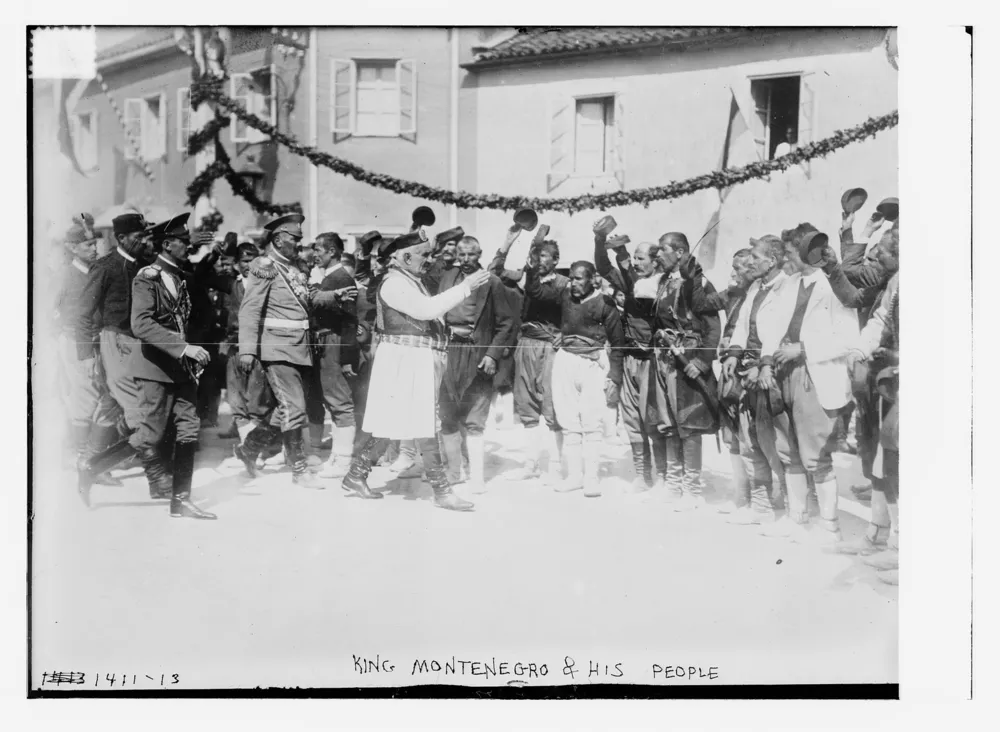
Nikola I (Prince 1860–1910, King 1910–1918). Mirko's son, born in Njeguši in 1841 and educated in Trieste and Paris. In fifty-eight years he doubled the country's territory twice, won international recognition in 1878, granted a constitution in 1905 and took the title of king in 1910. He left Montenegro in January 1916 and died at Cap d'Antibes in 1921. See King Nikola.
The succession at a glance
| Ruler | Born – died | In power | Relation to predecessor | Buried |
|---|---|---|---|---|
| Danilo I, vladika | c. 1670 – 1735 | 1697–1735 | Founder; elected by the clan assembly | Orlov krš, Cetinje (since 1896) |
| Sava, vladika | 1702 – 1781/82 | 1735–1781 | Kinsman and coadjutor of Danilo | Not confirmed |
| Vasilije, vladika | 1709 – 1766 | c. 1750–1766 (with Sava) | Cousin and coadjutor of Sava | St Petersburg |
| Petar I, vladika | 1748 – 1830 | 1784–1830 | Nephew of Vasilije | Cetinje Monastery (relics) |
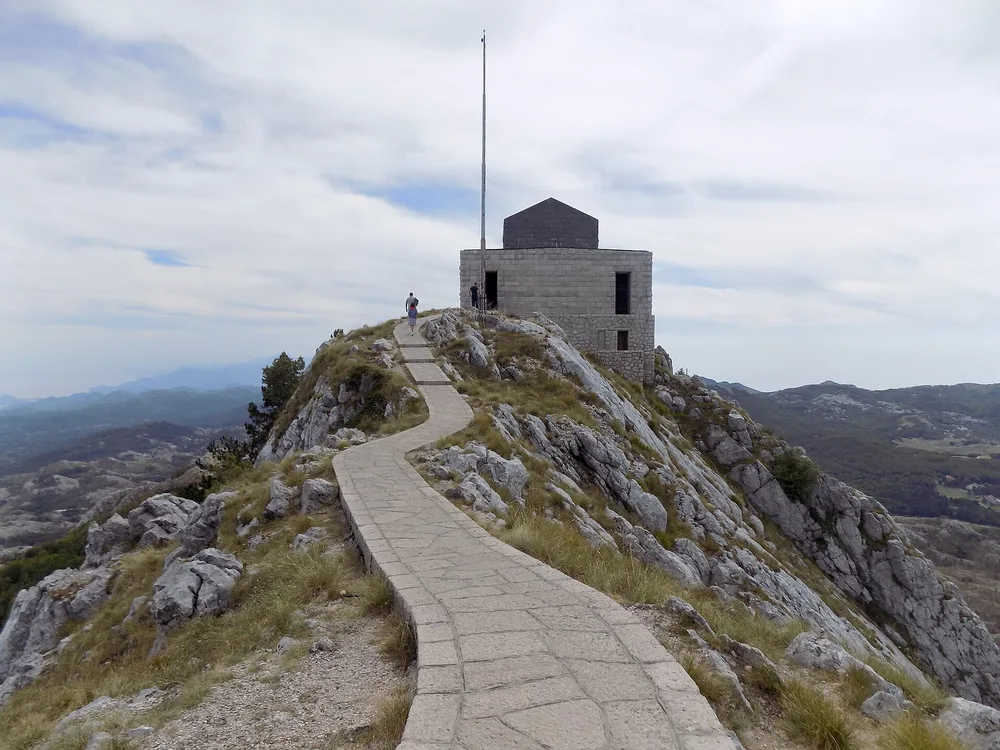
| Petar II Njegoš, vladika | 1813 – 1851 | 1830–1851 | Nephew of Petar I | Mausoleum on Lovćen |
| Danilo I, prince | 1826 – 1860 | 1851–1860 | Nephew of Petar II in the wider family sense | Cetinje Monastery |
| Nikola I, prince, then king | 1841 – 1921 | 1860–1918 | Nephew of Prince Danilo | Court Church, Ćipur (since 1989) |
From vladika to prince to king
The titles changed three times, and each change tells you what kind of state Montenegro had become. Until 1852 the ruler was a metropolitan bishop, addressed as vladika or gospodar (lord). He wore clerical dress on church occasions and, in Njegoš's case, national costume and a pair of pistols the rest of the time. He had no crown and no court, and his authority depended on persuasion, Russian subsidies and the threat of a bishop's curse.
Danilo's proclamation as prince (knjaz) in 1852 separated the two roles. The bishopric continued under metropolitans who were now only churchmen, while the prince ruled as a layman who could marry and found a direct line. As it happened he had no son, and the throne passed once more to a nephew.
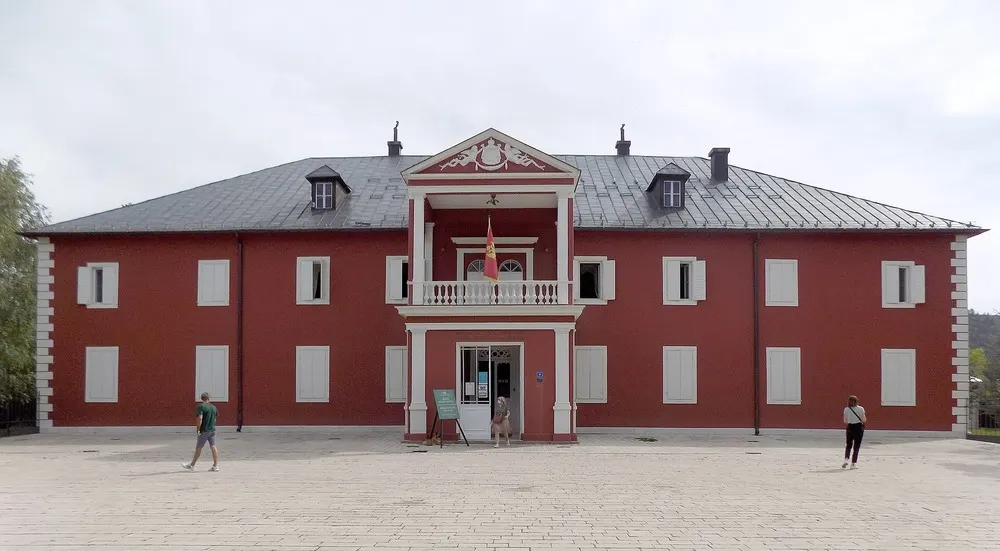
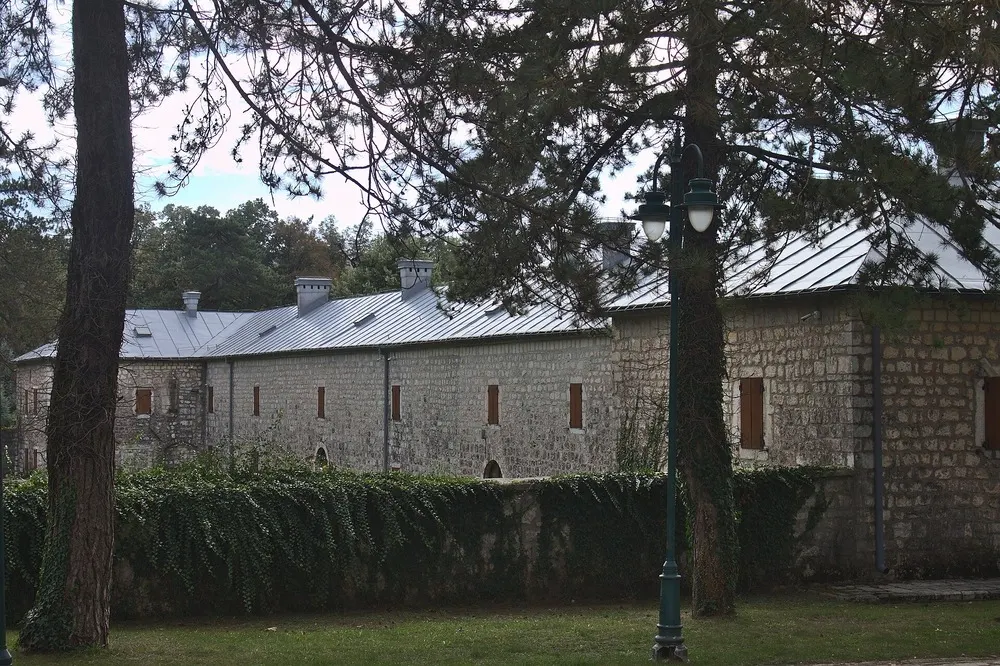
Nikola was styled knjaz for fifty years. From 1900 he used the form Royal Highness, and on 28 August 1910, at the jubilee of his reign, the National Assembly proclaimed Montenegro a kingdom and Nikola its king (kralj). The regalia and court dress made for the occasion, the banners carried in the wars of 1876–78 and the orders exchanged with other courts are displayed in King Nikola's Palace, which became a museum in 1926 and holds the largest collection of the dynasty's belongings.
The father-in-law of Europe: Nikola's children
Nikola married Milena Vukotić, the daughter of a voivode from Čevo, in Cetinje on 8 November 1860. He was nineteen and she was thirteen; the match had been arranged by their fathers years before. They had twelve children, nine daughters and three sons, of whom ten grew up. Montenegro was poor and had no army to speak of, but its prince had an old name, Russian patronage and a great many daughters, and he used them. Most of the girls were educated at the Smolny Institute in St Petersburg at the tsar's expense, and five made marriages that connected Cetinje with half the courts of Europe.
Zorka (1864–1890) married Petar Karađorđević, then an exiled claimant, in Cetinje in 1883. The couple lived in the town for several years, and two of their sons were born here: George in 1887 and Alexander in 1888. Zorka died in Cetinje in March 1890, long before her husband became King Peter I of Serbia in 1903. Her son Alexander was the king of Yugoslavia under whom Montenegro lost its separate identity, a bitter irony for his grandfather.
Milica (1866–1951) and Anastasija, known as Stana (1868–1935), both married into the Russian imperial family in 1889: Milica to Grand Duke Peter Nikolaevich, Stana to George, Duke of Leuchtenberg, and after a divorce, in 1907, to Grand Duke Nikolai Nikolaevich, later commander-in-chief of the Russian army. In St Petersburg the sisters were known as the Montenegrin princesses or, less kindly, the black peril. Their interest in mystics is well attested, and it was in their circle that Empress Alexandra first met Grigori Rasputin in 1905.
Jelena (1873–1952), born in Cetinje, married Victor Emmanuel, Prince of Naples, in Rome in October 1896, converting to Catholicism for the purpose. She was Queen of Italy from 1900 to 1946, widely respected for her hospital work during the Messina earthquake of 1908 and the First World War. She died in exile in Montpellier; in 2017 her remains were moved to the sanctuary of Vicoforte in Piedmont.
Ana (1874–1971) married Prince Franz Joseph of Battenberg in Cetinje in 1897, which made her a connection of the British royal family. She outlived all her siblings and died in Switzerland. Marija (1869–1885) died at school in St Petersburg at sixteen, and Sofija lived only a few weeks in 1876. The two youngest daughters, Ksenija (1881–1960) and Vjera (1887–1927), did not marry and shared their parents' exile.
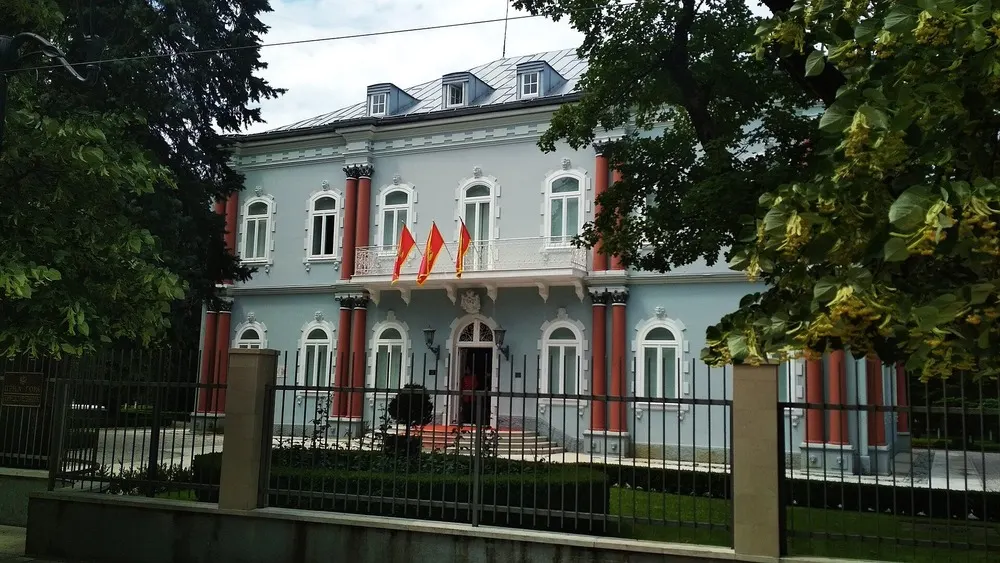
Of the sons, Danilo (1871–1939), the crown prince, married Duchess Jutta of Mecklenburg-Strelitz in 1899; she took the Orthodox name Milica. They had no children. The villa built for him in the 1890s is the Blue Palace. Mirko (1879–1918) married Natalija Konstantinović, a relation of the Obrenović dynasty of Serbia, in 1902, and died in Vienna in the last year of the war; the family's present line descends from him. Petar (1889–1932), the youngest, served as an artillery officer on Lovćen in 1914–16 and later married an English music-hall performer, Violet Wegner.
The children of King Nikola and Queen Milena
| Child | Lived | Married | Notes |
|---|---|---|---|
| Zorka (Ljubica) | 1864–1890 | 1883, Petar Karađorđević, later King Peter I of Serbia | Mother of King Alexander I of Yugoslavia, born in Cetinje |
| Milica | 1866–1951 | 1889, Grand Duke Peter Nikolaevich of Russia | Died in Alexandria, Egypt |
| Anastasija (Stana) | 1868–1935 | 1889, George, Duke of Leuchtenberg; 1907, Grand Duke Nikolai Nikolaevich | Died at Antibes |
| Marija | 1869–1885 | — | Died in St Petersburg |
| Danilo, Crown Prince | 1871–1939 | 1899, Jutta (Milica) of Mecklenburg-Strelitz | Titular king for a week in March 1921; died in Vienna |
| Jelena (Elena) | 1873–1952 | 1896, Victor Emmanuel, later King of Italy | Queen of Italy 1900–1946 |
| Ana | 1874–1971 | 1897, Prince Franz Joseph of Battenberg | Last surviving child |
| Sofija | 1876 | — | Died in infancy |
| Mirko | 1879–1918 | 1902, Natalija Konstantinović | Father of Prince Michael |
| Ksenija | 1881–1960 | — | Reburied in Cetinje, 1989 |
| Vjera | 1887–1927 | — | Reburied in Cetinje, 1989 |
| Petar | 1889–1932 | 1924, Violet Wegner | No children |
1916–1921: exile and the end of the reign
The dynasty's rule ended in two steps. When Lovćen fell and Austro-Hungarian troops entered Cetinje on 13 January 1916, the king and part of the government left by way of Shkodër and the Albanian coast for Italy, and went on to France. The French government lodged the court first at Lyon and near Bordeaux, later at Neuilly outside Paris, and a Montenegrin government-in-exile functioned there for the rest of the war. Prince Mirko, already ill, remained in the occupied country and died in Vienna in March 1918.
The king expected to return with the Allied victory. Instead the Podgorica Assembly, meeting on 26 November 1918 while Serbian troops held the country, declared him and his house deposed and united Montenegro with Serbia. Nikola never accepted the decision and never abdicated. He protested to the peace conference in Paris, where Montenegro, alone among the Allied states, was left without a seat, and he supported from a distance the Greens who rose in the Christmas Uprising of January 1919. The Allied powers withdrew recognition from his government in the course of 1920–21. The background is set out in the history of Cetinje.
He died at Cap d'Antibes on 1 March 1921, aged seventy-nine, and was buried in the Russian church at Sanremo, on the Italian side of the border. Danilo succeeded as titular king and renounced the claim within a week in favour of his thirteen-year-old nephew Michael, Mirko's son, with Queen Milena as regent. She died at Antibes in March 1923 and was buried beside her husband.
After 1921: Michael, Nicholas and the return of the king
Prince Michael (1908–1986) grew up in France and England. In 1929 he gave up any active claim and accepted an allowance from his cousin, King Alexander of Yugoslavia. His moment came in 1941, when Italy occupied Montenegro and looked for a Petrović to place on a revived throne. Michael, then living in occupied France, refused, and so did every other member of the family who was approached. He and his wife were interned by the Germans for part of the war. In later life he worked for a time for the Yugoslav foreign ministry and died in Paris.
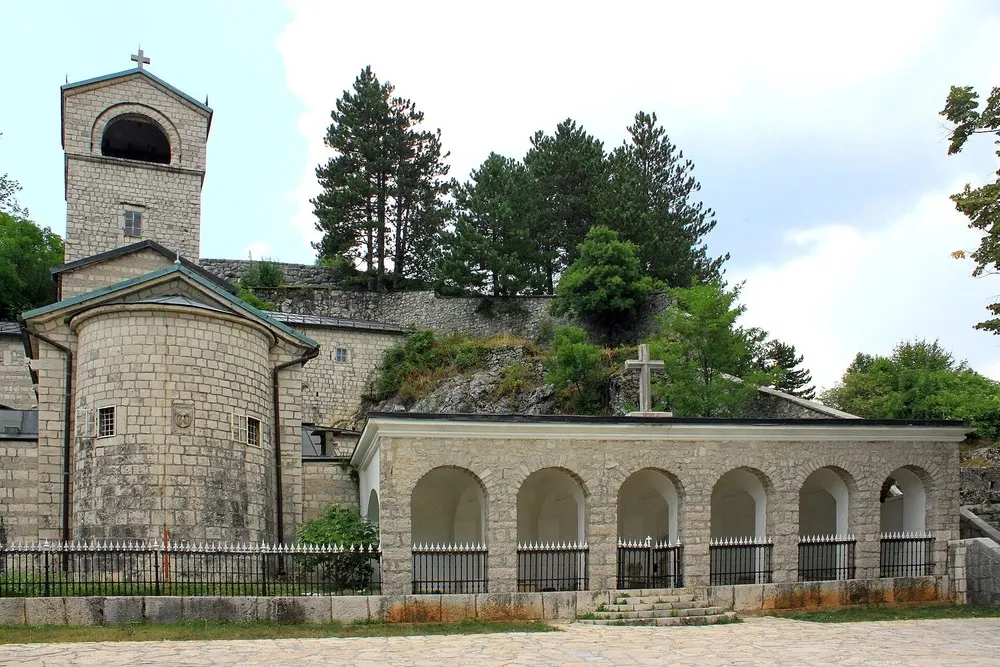
His only son, Nicholas (Nikola), was born in Brittany in 1944 and trained as an architect in Paris. He first came to Montenegro in 1989, and that visit was the occasion for the most emotional event in Cetinje's recent memory. On 1 October 1989 the coffins of King Nikola, Queen Milena and the princesses Ksenija and Vjera, brought from Sanremo, were laid in the Court Church on Ćipur, on the foundations of Ivan Crnojević's monastery. A huge crowd filled the town. The two marble tombs are the first thing you see when you enter the church; visiting details are in the Cetinje Monastery guide, which covers Ćipur as well.
Prince Nicholas stayed involved with the town. In 1991 he founded the Cetinje Biennial of contemporary art, which ran for five editions until 2004 and brought international artists into the empty legations and the Biljarda. After independence the question of the family's status was settled by a law passed on 12 July 2011, which describes itself as the historical and moral rehabilitation of the dynasty. It allows the male-line descendants of King Nikola to hold Montenegrin citizenship alongside another, set up a Petrović-Njegoš Foundation for cultural and humanitarian work funded from the state budget, gave the family the use of King Nikola's house in Njeguši and provided for a house in Cetinje and a flat in Podgorica. The head of the family may be asked to carry out protocol duties for the state. The law is explicit that the role is non-political, and Montenegro remains a republic.
Nicholas's son Boris, born in 1980, is his heir. There are also many descendants of the dynasty through the female line, among them the Italian house of Savoy and the Karađorđevićs of Serbia.
Where to meet the dynasty in and around Cetinje
All of the Cetinje sites are within ten minutes' walk of one another, and the self-guided walking tour passes each of them. The palace and the Biljarda are units of the National Museum and share a combined ticket; see the museums guide for current hours and prices.
Njeguši and the mausoleum need wheels. If you have no car, the simplest way to see the dynasty's village, its mountain and its capital in one day is a tour from the coast such as the Lovćen, Njeguši and Cetinje day tour, or a private Lovćen tour.
- Cetinje Monastery
- Relics of St Peter of Cetinje (Petar I); tombs of Prince Danilo and Grand Voivode Mirko
- Court Church, Ćipur
- Tombs of King Nikola and Queen Milena; reburial place of Ivan Crnojević
- Orlov krš
- Mausoleum of Vladika Danilo (1896), with the best view of the old town
- Biljarda
- Njegoš's residence of 1838, now the Njegoš Museum
- King Nikola's Palace
- The family home from 1867; court rooms, portraits, banners, weapons and decorations
- Blue Palace
- Built for Crown Prince Danilo; now the President's residence (exterior only)
- Njeguši
- Birth house of Njegoš (museum) and King Nikola's family house
- Lovćen, Jezerski vrh
- Mausoleum of Njegoš
Frequently asked questions
How long did the Petrović-Njegoš dynasty rule Montenegro?
From the election of Danilo as vladika in 1697 to the deposition of King Nikola by the Podgorica Assembly on 26 November 1918: 221 years. In practice the family lost control of the country when it was occupied in January 1916.
Why did the throne pass from uncle to nephew?
Because until 1852 the ruler was an Orthodox bishop, and bishops are celibate. Each vladika chose a successor from among his nephews or younger cousins and had the choice confirmed by the assembly of clan chiefs. After Danilo became a secular prince in 1852 the succession could have passed from father to son, but he had no son, so his nephew Nikola followed him.
Why is the family called Petrović-Njegoš?
Petrović is the family name; Njegoš is the name of their tribe and home village, Njeguši, added to show where they came from. The poet-bishop Petar II made it famous by signing his work with it.
Why was King Nikola called the father-in-law of Europe?
Five of his daughters married into ruling or princely houses: Zorka to the future King Peter I of Serbia, Milica and Anastasija to Russian grand dukes, Jelena to the future King Victor Emmanuel III of Italy and Ana to a prince of Battenberg.
Where are the rulers buried?
Danilo I on Orlov krš above the monastery; Petar I (as a saint, in a reliquary) and Prince Danilo in Cetinje Monastery; Njegoš in the mausoleum on Lovćen; King Nikola and Queen Milena in the Court Church on Ćipur. Vasilije died and was buried in St Petersburg.
Does the royal family still exist, and does it have any power?
The head of the family is Prince Nicholas (Nikola) Petrović-Njegoš, a great-grandson of King Nikola, born in France in 1944. A law of 2011 gives the family a ceremonial and cultural role and certain properties, and states that it is non-political. Montenegro is a republic.
Which museum is best for the dynasty?
King Nikola's Palace for the royal family and the court, and the Biljarda for Njegoš. Both stand on the same square in Cetinje and can be seen in about two hours together.
Sources and official information
Facts were checked against these official and scholarly sources in November 2026. Opening hours, ticket prices, park fees and timetables change, so confirm before you go.
- narodnimuzej.me
- narodnimuzej.me
- en.wikipedia.org
- en.wikipedia.org
- en.wikipedia.org
- en.wikipedia.org
- en.wikipedia.org
- en.wikipedia.org
- en.wikipedia.org
- en.wikipedia.org
- stari.maticacrnogorska.me
Cetinje.com is an independent guide, not the official site of the Old Royal Capital Cetinje, the National Museum of Montenegro, any tour operator, hotel or the government of Montenegro. Some links are affiliate links: tours go to GetYourGuide and accommodation goes to Booking.com, and we may earn a commission at no extra cost to you.