In short
- Worth it? Yes: Montenegro’s historic capital, compact and walkable, with Lovćen and the Njegoš Mausoleum half an hour away.
- Time: two to three hours for the core, one day with the museums, two with Lovćen and Njeguši.
- Getting there: about 35 km from Podgorica, 31 km from Budva, 41–50 km from Kotor; frequent buses from Podgorica and Budva.
- Museums: daily in summer, weekdays only in winter; combined ticket 20 euro for adults (as checked November 2026).
- Mausoleum, birth house and Lipa Cave close in winter; check the dates before you plan.
The essentials
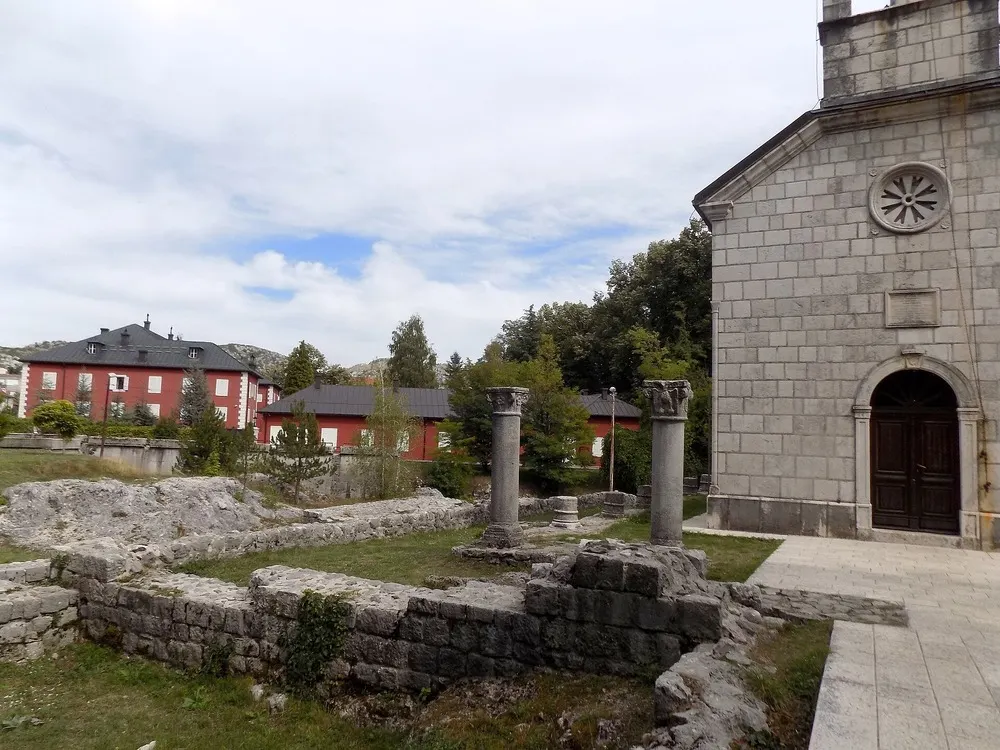
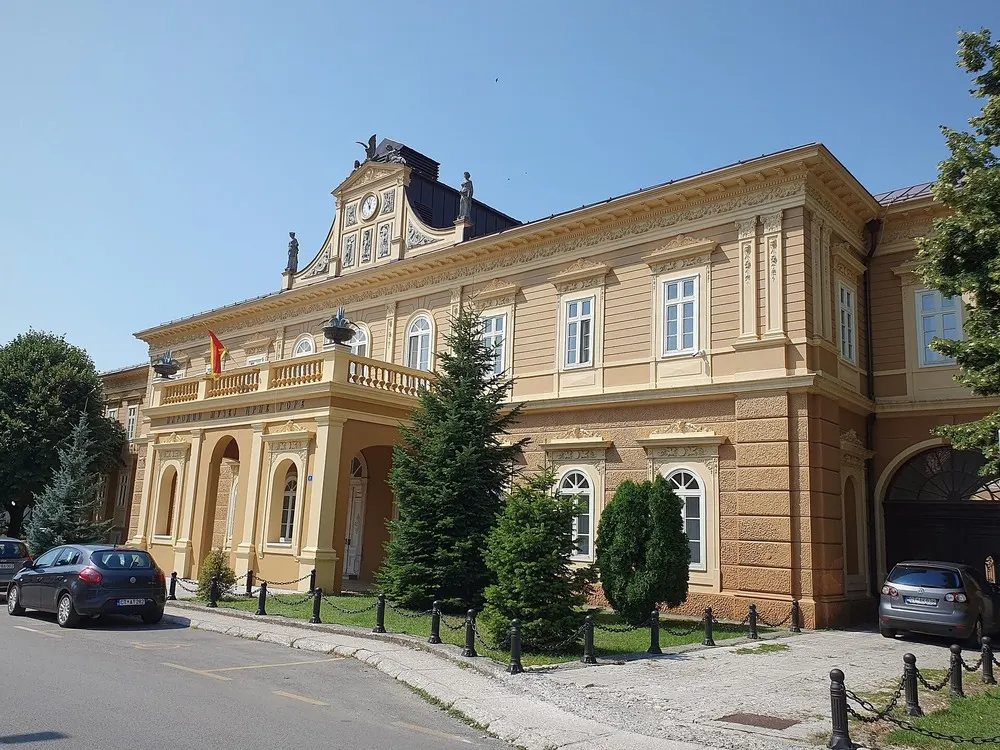
Is Cetinje worth visiting? Yes. It was the capital of Montenegro for more than four centuries, and almost everything that made it so still stands within a short walk: the foundations of Ivan Crnojević’s court and monastery, the monastery of the prince-bishops, Njegoš’s Biljarda, King Nikola’s Palace, the royal theatre, the Government House and the legations of the great powers. It is quiet, green and cooler than the coast, and the mountain of Lovćen rises behind it. Start with things to do.
How long should I stay? Two to three hours shows you the essentials from outside; a full day lets you see the main museums; two days add Lovćen, the Njegoš Mausoleum and Njeguši; three add Lipa Cave, Rijeka Crnojevića and Lake Skadar. See itineraries.
Is Cetinje the capital of Montenegro? No: under the constitution the capital is Podgorica and Cetinje is the Old Royal Capital (Prijestonica). The President’s official residence and several national cultural institutions are in Cetinje. See the Old Royal Capital.
How do you pronounce it? Roughly TSET-in-yeh: c is pronounced ‘ts’, and nj is like the ‘ny’ in canyon.
Getting there and around
How do I get to Cetinje? By road: about 35 km from Podgorica, 31 km from Budva and 41–50 km from Kotor, depending on the route. Buses from Podgorica and Budva are frequent; Kotor is served via Budva. There is no railway. See getting there, and for the whole country ExploreMontenegro’s getting-there guide.
Which airport is nearest? Podgorica (about 38 km), then Tivat (about 47 km). Dubrovnik in Croatia is about 100 km away plus a border.
Where do I park? In the central car park about 100 m from King Nikola’s Palace; the National Museum gives 2 euro a day for cars (as checked November 2026). The tourist information point is there too.
Can I walk everywhere? In town, yes: the core is flat and a loop of the main monuments is about 3 km. For Lovćen, Njeguši, Lipa Cave and Rijeka Crnojevića you need a car, a taxi or a tour. See getting around.
Museums, tickets and opening times
Which museums are there? Almost all belong to the National Museum of Montenegro: King Nikola’s Museum in the palace, the Njegoš Museum in Biljarda with the Relief Map of Montenegro, the Art Museum in the Government House (the History Museum there was closed to visitors when we checked), the Ethnographic Museum and the Montenegrin Art Gallery ‘Miodrag Dado Đurić’. Out of town it runs Njegoš’s birth house in Njeguši and the Njegoš Mausoleum. See museums.
When are they open? Daily from mid-April to 15 November; on weekdays only (9:00–15:00 local time) from 16 November to mid-April, according to the National Museum as checked November 2026. The mausoleum and the birth house close completely in winter.
How much are tickets? As checked November 2026: King Nikola’s Museum 8 euro; Biljarda with the Relief Map 5 euro; the Government House museums 5 euro; the Ethnographic Museum 4 euro; the Njegoš Mausoleum with the birth house 8 euro; a combined ticket for everything 20 euro. Children under 12 enter free; pupils and students pay half.
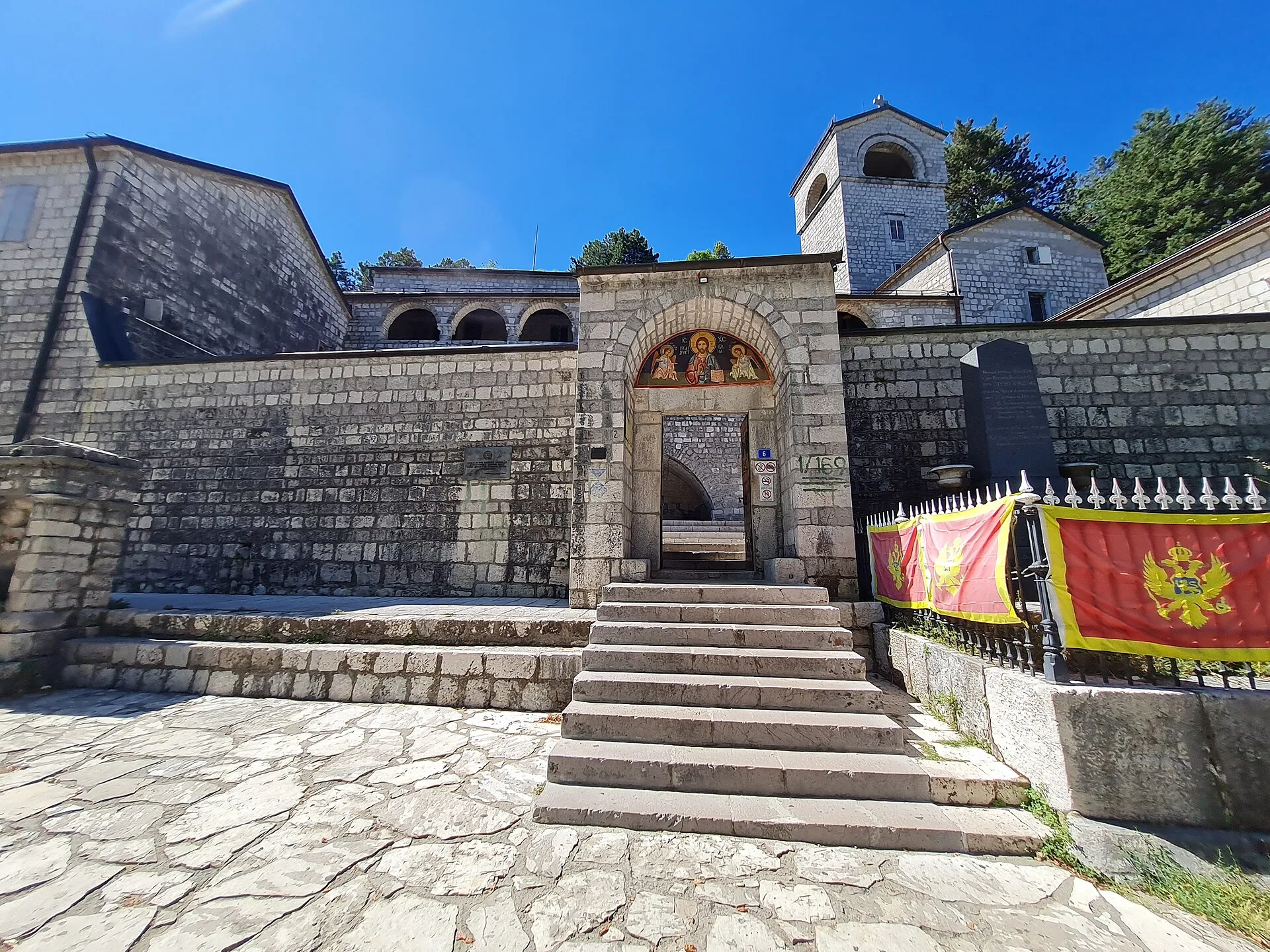
Is Cetinje Monastery free? The monastery is a working religious house, and visiting is free; donations are welcome. Dress modestly. See Cetinje Monastery.
Lovćen, Njeguši and around
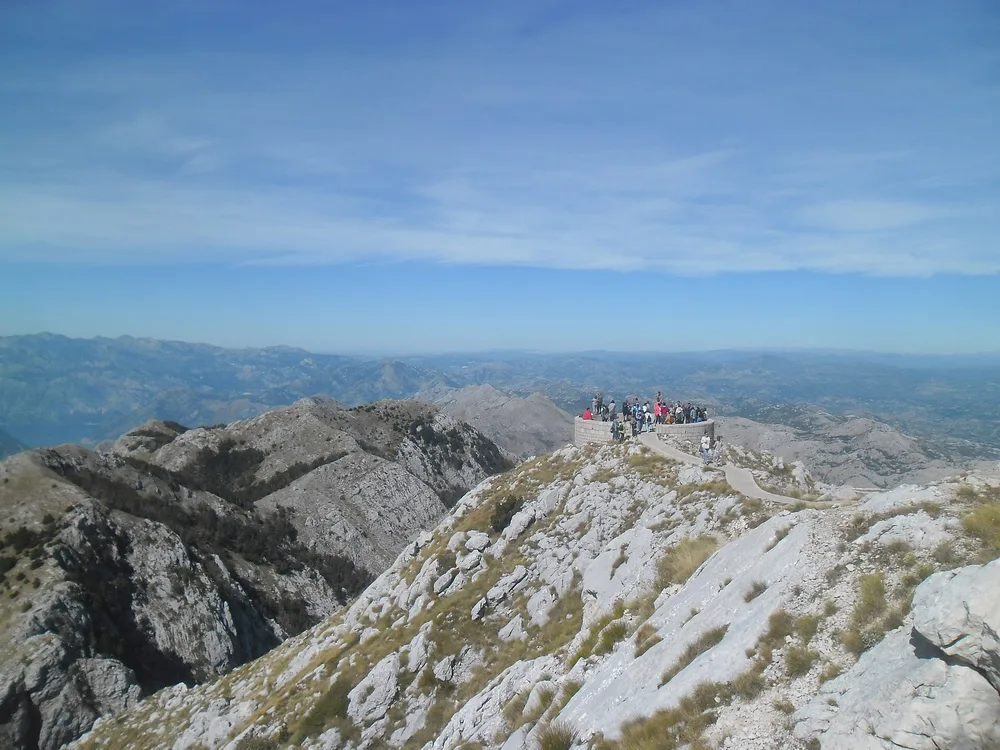
How far is the Njegoš Mausoleum? About 20 km by road, a little over half an hour, then 461 steps. It is open from April to 15 November and closed in winter; the adult ticket is 8 euro, and the national park charges its own 3 euro day ticket on the road (as checked November 2026). See the Njegoš Mausoleum and Lovćen National Park.
Can I take the cable car from Kotor to Cetinje? No: it runs from near Kotor to Kuk on Lovćen, about 21 km by road from Cetinje, with no scheduled connection, and its operator says it is closed until spring 2027. See the serpentine and cable car.
Where can I try Njeguši ham? In Njeguši itself, 20 km away, where families smoke and sell it, and in restaurants in Cetinje. See Njeguši and food and drink.
Is Lipa Cave worth it? Yes, especially on a hot or wet day: an hour’s guided tour, five kilometres from town, open daily April to November. See Lipa Cave.
Weather and when to go
When is the best time to visit? May–June and September–October. July and August are warm and busy with day-trippers; winter is quiet, often snowy, and many sights are closed or keep weekday hours. See the best time to visit.
Does it rain a lot? Yes. Cetinje is famous as one of the wettest towns in Europe; most of the rain falls from October to February. Bring an umbrella.
What are the big events? Orthodox Christmas Eve bonfires (6 January), Independence Day (21 May), Statehood Day (13 July), St Peter of Cetinje (31 October) and Njegoš Day (13 November). See events.
Money, language and etiquette
What currency is used? The euro. Cards are widely accepted in town; carry cash for villages and small family places.
Do people speak English? Many do, especially younger people and those working in tourism. The local language is Montenegrin, written in Latin and Cyrillic.
What should I wear in churches? Shoulders and knees covered; women may be asked to cover their hair.
Do I need a visa? Many nationalities, including citizens of the EU, the UK and the US, do not for stays of up to 90 days in 180, but the rules are changing for some countries; check with Montenegro’s Ministry of Foreign Affairs. Every visitor must be registered within 24 hours of arrival, usually by the hotel. See practical information.
Food, families and shopping
What should I eat? Njeguški pršut and cheese from the village over the hill; kačamak and cicvara, the rich cornmeal dishes of the mountains; raštan stewed with smoked meat; lamb; and carp from Lake Skadar. Drink vranac, Montenegro’s red grape, or grape rakija. See food and drink.
Is Cetinje good for children? Yes: it is flat, green and quiet, with parks around the palace and the monastery. Children under 12 enter the National Museum’s units free, Lipa Cave’s little train is a hit, and the clearing at Ivanova korita on Lovćen has an adventure park in the trees.
What can I buy? Njeguši ham and cheese (check your home country’s rules on importing meat and dairy before buying), rakija and local wine, honey, and crafts and prints of the town. Museum shops sell books on Cetinje’s history.
Are shops open on Sundays? Many cafés and restaurants, and some shops, open every day; smaller shops and offices close on Sundays and public holidays.
Staying, tours and safety
Should I stay overnight? If you can: evenings are quiet, accommodation is good value, and you can be at the mausoleum before the coaches. See where to stay.
Is there a guided tour? Yes: the guided walking tour with museum entry in town, and full-day tours that combine Cetinje with Lovćen and Njeguši from the coast. See tours.
Is Cetinje safe? Yes; it is a quiet town. Take normal precautions, use licensed taxis, and on Lovćen stay on marked paths and carry water. The emergency number is 112.
Frequently asked questions
Is Cetinje worth visiting?
Yes. It is Montenegro’s historic capital, with the monastery, King Nikola’s Palace, Biljarda, the old legations and the National Museum in a compact, walkable town, and Lovćen half an hour away.
How many days do I need in Cetinje?
One day for the town and museums, two with Lovćen and Njeguši, three with Lipa Cave, Rijeka Crnojevića and Lake Skadar.
How far is Cetinje from Kotor, Budva and Podgorica?
About 41–50 km from Kotor depending on the route, 31 km from Budva and 35 km from Podgorica.
Are Cetinje’s museums open in winter?
On weekdays only, 9:00–15:00 local time, from 16 November to mid-April according to the National Museum (as checked November 2026). The Njegoš Mausoleum and birth house are closed.
How much is the combined museum ticket?
20 euro for adults and 10 euro for pupils and students, covering all units of the National Museum including the Njegoš Mausoleum, as checked November 2026.
Is Cetinje Monastery free to visit?
Yes; it is a working monastery. Dress modestly and respect services.
Can I see Cetinje without a car?
The town, yes: buses come from Podgorica and Budva and the centre is walkable. For Lovćen and Njeguši, take a tour or a taxi.
Sources and official information
Facts were checked against these official and scholarly sources in November 2026. Opening hours, ticket prices, park fees and timetables change, so confirm before you go.
- en.narodnimuzej.me
- en.narodnimuzej.me
- en.narodnimuzej.me
- nparkovi.me
- kotorcablecar.me
- lipa-cave.me
- gov.uk
- constituteproject.org
Cetinje.com is an independent guide, not the official site of the Old Royal Capital Cetinje, the National Museum of Montenegro, any tour operator, hotel or the government of Montenegro. Some links are affiliate links: tours go to GetYourGuide and accommodation goes to Booking.com, and we may earn a commission at no extra cost to you.